
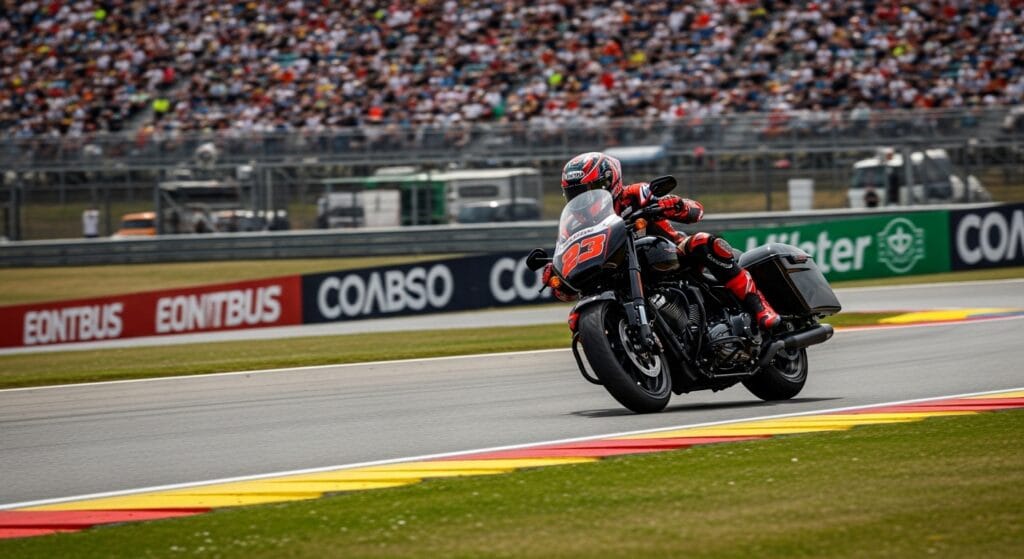
The Harley-Davidson Bagger World Cup 2026 is one of the most interesting motorcycle stories of the year because it breaks the usual racing template. MotoGP is known for purpose-built prototypes, razor-sharp aerodynamics, and elite factory competition. Harley-Davidson is known for big V-twins, touring heritage, and a very different kind of motorcycle culture. Bringing those two worlds together was always going to get attention, but in 2026 it has become more than a headline. It is now a real championship with a real grid, real races, and real implications for how motorcycle fans talk about performance.
That matters because modern motorcycle culture is no longer split into clean boxes. Riders move between racing, custom builds, touring, naked bikes, adventure machines, and electric motorcycles more freely than they used to. Fans who watch MotoGP also follow YouTube builders, King of the Baggers, club-style customs, and street-focused content. The Harley-Davidson Bagger World Cup 2026 fits that shift perfectly because it turns a once-unlikely bike style into a serious international spectacle.
For Moto News Blog, this is exactly the kind of subject worth covering. Your site already talks about trends, technology, rider interest, and where the motorcycle world is heading. You are not locked into one niche. That gives you room to cover a story like this from more than one angle. It is not just a race series. Also, a branding move, a content move, a fan-growth move, and a signal that the motorcycle world keeps blending categories that used to stay separate.
Why the Harley-Davidson Bagger World Cup 2026 Is More Than a Gimmick
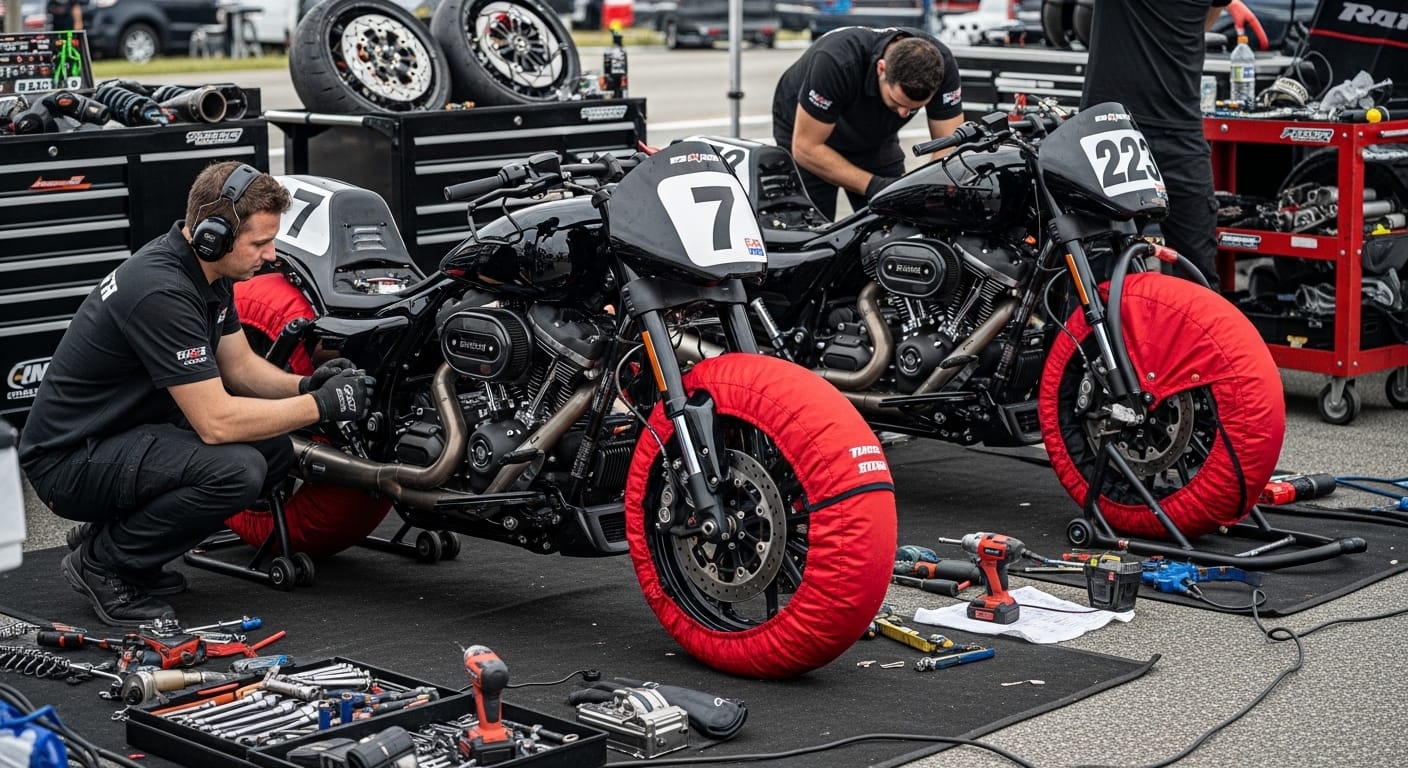
At first glance, some fans will dismiss the idea. They hear “bagger racing” and assume it is a novelty act built to fill time between major classes. That reaction misses what is happening. The Harley-Davidson Bagger World Cup 2026 is not random filler. It is a deliberate effort to pull a different kind of motorcycle fan into the MotoGP weekend while also pushing Harley-Davidson onto a much more global stage.
The numbers alone explain why people are paying attention. MotoGP and Harley say the series runs on six MotoGP weekends across North America and Europe. The bikes are based on Harley’s Grand American Touring platform, but they are radically transformed race machines producing more than 200 horsepower and reaching roughly 300 km/h. That is not relaxed touring pace. That is a serious performance statement built on a platform many people still associate with highways, luggage, and long-distance comfort. The contrast is the hook, and the hook works.
MotoGP is betting on spectacle without losing structure
The smart part of this idea is that MotoGP is not asking fans to learn an entirely new ecosystem. The format is simple. The championship runs on existing MotoGP weekends, so the audience is already there. The races feel visually different from the main classes, which helps them stand out, but they still sit inside a world that fans already understand. That lowers the barrier to entry for casual viewers and gives hardcore fans something genuinely new to watch.
The format is simple enough for new fans to follow
One reason the series has a real chance is that it does not ask casual viewers to do homework first. Big bikes, obvious rider movement, strong sound, and visible visual drama make the concept easy to understand fast. A fan can see these machines for the first time and get the appeal almost immediately. In a media world where attention is fragmented, that matters. Not every successful racing product needs more technical complexity. Some need a cleaner visual identity and a strong story.
The bikes are outrageous in exactly the right way
Motorcycle fans love extremes. Sometimes that means featherweight supersports. Sometimes it means powerful adventure bikes. In this case, it means taking large American touring motorcycles and turning them into purpose-built race machines. That visual absurdity is part of the appeal. The series stands out because it feels both serious and slightly rebellious at the same time. It respects racing, but it does not look like every other support class.
Why this matters for Harley-Davidson and American racing culture
For Harley-Davidson, the move is bigger than one championship. The company has spent years trying to balance heritage with the need to stay visible to younger and more global audiences. Racing helps when it looks authentic, and bagger racing already had credibility in the United States thanks to King of the Baggers. Moving that energy onto the MotoGP stage gives Harley access to fans who may never have paid attention to the brand before.
It also gives American V-twin performance culture a bigger international microphone. That matters even if a viewer never buys a Harley. The series tells fans in Europe and beyond that American racing culture is not limited to nostalgia. It can be loud, modern, technical, and competitive. That is a useful image shift for Harley and for the wider custom-performance scene built around big twins and touring platforms.
What the Series Could Change for Riders, Brands, and Motorcycle Media
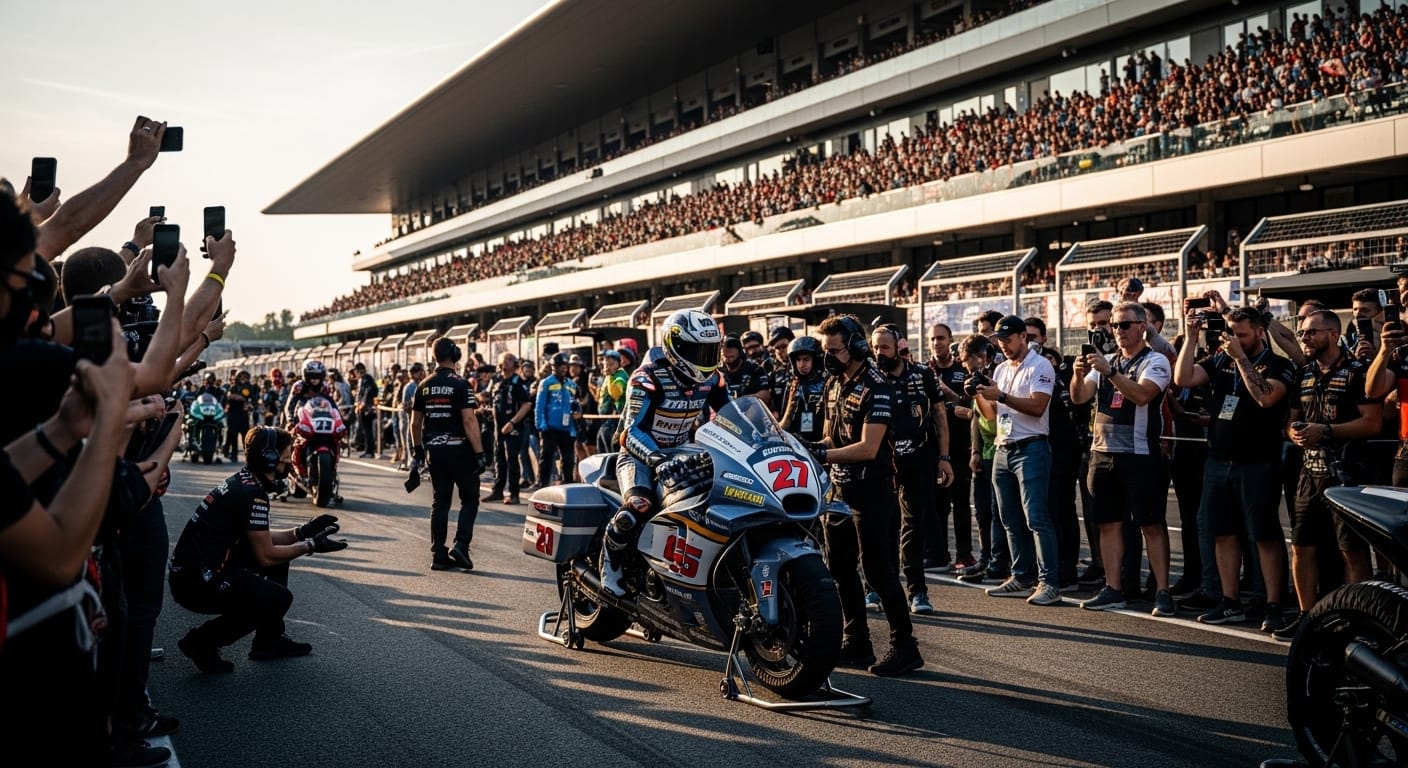
The most interesting thing about the Harley-Davidson Bagger World Cup 2026 may not be the race results. It may be the ripple effect. Motorcycle racing influences what people talk about, what parts companies market, what builders create, and what fans start paying attention to. That does not mean every racing trend becomes a mainstream buying trend, but it does mean visibility changes taste.
We have seen that before in other parts of the industry. Adventure bikes grew because the lifestyle story became bigger than the original niche. Middleweight bikes gained momentum because riders wanted usable performance instead of pure spec-sheet bragging. Rider-aid technology became more interesting once buyers could see it as practical rather than gimmicky. Bagger racing could follow a similar path by changing what more riders view as “performance worthy.”
It could widen the performance conversation beyond sport bikes
For years, performance talk in motorcycles has leaned heavily toward supersports, naked bikes, and high-end adventure machines. Those categories still matter, but the Bagger World Cup gives motorcycle media another lane. It says performance can also mean chassis control, torque management, braking stability, rider movement, and setup work on a large machine that nobody used to imagine on a MotoGP weekend. That broadens the conversation in a healthy way.
It may boost interest in baggers, custom parts, and club-style culture
Whenever racing makes a platform look cool, the aftermarket pays attention. Even riders who never plan to own a full-dress touring bike may start looking differently at baggers, performance touring setups, club-style builds, suspension upgrades, braking packages, and visual customization. The influence will not stop at race replicas. It will flow into styling, content creation, and brand storytelling.
It also gives motorcycle media a fresh format to cover
That is where your site can win. This series is not just about race recaps. It creates room for explainer posts, rider profiles, team breakdowns, bike-tech features, opinion pieces, and beginner-friendly guides about why bagger racing exists at all. It also connects naturally to broader trend coverage, which is already a strength on Moto News Blog. If you keep covering where motorcycles are heading, this series deserves a place in that conversation.
At the same time, riders should keep perspective. Race hype does not automatically mean a bagger is the right bike for every buyer. A race bike is still a race bike, and street riders still need to think about budget, use case, skill level, comfort, and real-world ownership. That is exactly why balanced coverage works better than fanboy coverage. The best motorcycle journalism gets excited without losing its grip on reality.
The bottom line is simple. The Harley-Davidson Bagger World Cup 2026 matters because it feels fresh, visible, and culturally bigger than a normal support class. It connects MotoGP spectacle with American V-twin identity, it gives Harley-Davidson a new global showcase, and it offers motorcycle media a genuinely new story to follow. Whether the series becomes a long-term fixture or a short, loud experiment, it already succeeded at one thing: it made more riders and fans pay attention.
For official series details, readers can also check the MotoGP Harley-Davidson Bagger World Cup page.