
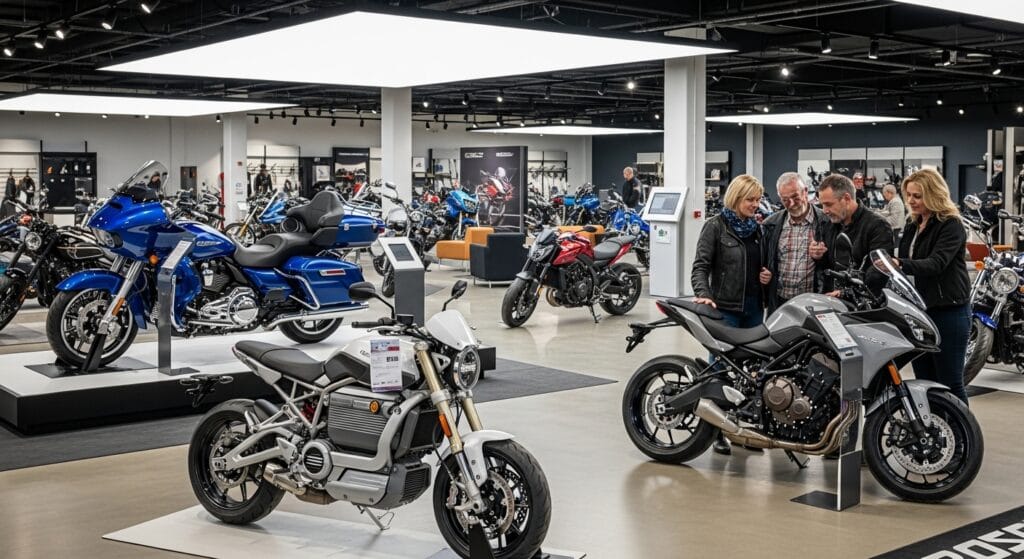
Motorcycle prices in 2026 are becoming one of the biggest stories in the industry because riders are no longer shopping in the same way they did a few years ago. High-end machines still get attention. Flagship adventure bikes still dominate headlines. Premium cruisers still carry serious brand weight. But in 2026, price pressure is changing the conversation. Riders are looking harder at value, monthly cost, insurance, technology per dollar, and whether a bike actually fits real-life use instead of just looking good in a launch video.
That shift matters because the market is being pulled in different directions at once. Some brands are dealing with tariff costs and trade uncertainty. Some are trying to open doors for younger riders with lower-priced models. Others are relying on premium bikes to protect margins while demand on big-ticket products softens. At the same time, buyers are becoming more selective. They still want style and performance, but they also want a bike that feels justifiable.
This is why motorcycle prices in 2026 deserve more than a simple “bikes are getting expensive” headline. The real story is more interesting. Prices are not moving in one clean direction across every segment. Instead, tariffs, trade deals, financing pressure, and softer demand are reshaping what different kinds of riders now consider smart money. That is changing which motorcycles feel attractive, which segments are gaining momentum, and which brands are being pushed to rethink strategy.
This topic also fits naturally with the content already on Moto News Blog. Readers who care about price and value will probably also care about your existing coverage of middleweight and 400cc trends, your motorcycle technology coverage, your electric motorcycle roundup, and your broader US Superbike and racing sections.
Why Motorcycle Prices in 2026 Feel More Important Than Before
Motorcycle prices in 2026 feel more important because riders are paying attention to ownership reality, not just brochure appeal. That means sticker price matters more. So does financing. So does fuel use, servicing, tire cost, insurance, and how much bike someone really needs. A few years ago, many buyers still leaned into aspirational shopping. In 2026, more riders are doing the math first.
That change is not happening in a vacuum. The wider market is sending mixed signals. On one side, premium motorcycles still carry strong emotional pull and strong branding. On the other side, manufacturers are openly talking about weaker demand, affordability pressure, and the need to attract new riders. Those forces are pushing the market toward sharper segmentation. Expensive bikes still exist, but value-focused motorcycles are becoming harder to ignore.
Tariffs are part of the pressure, even when riders do not see them directly
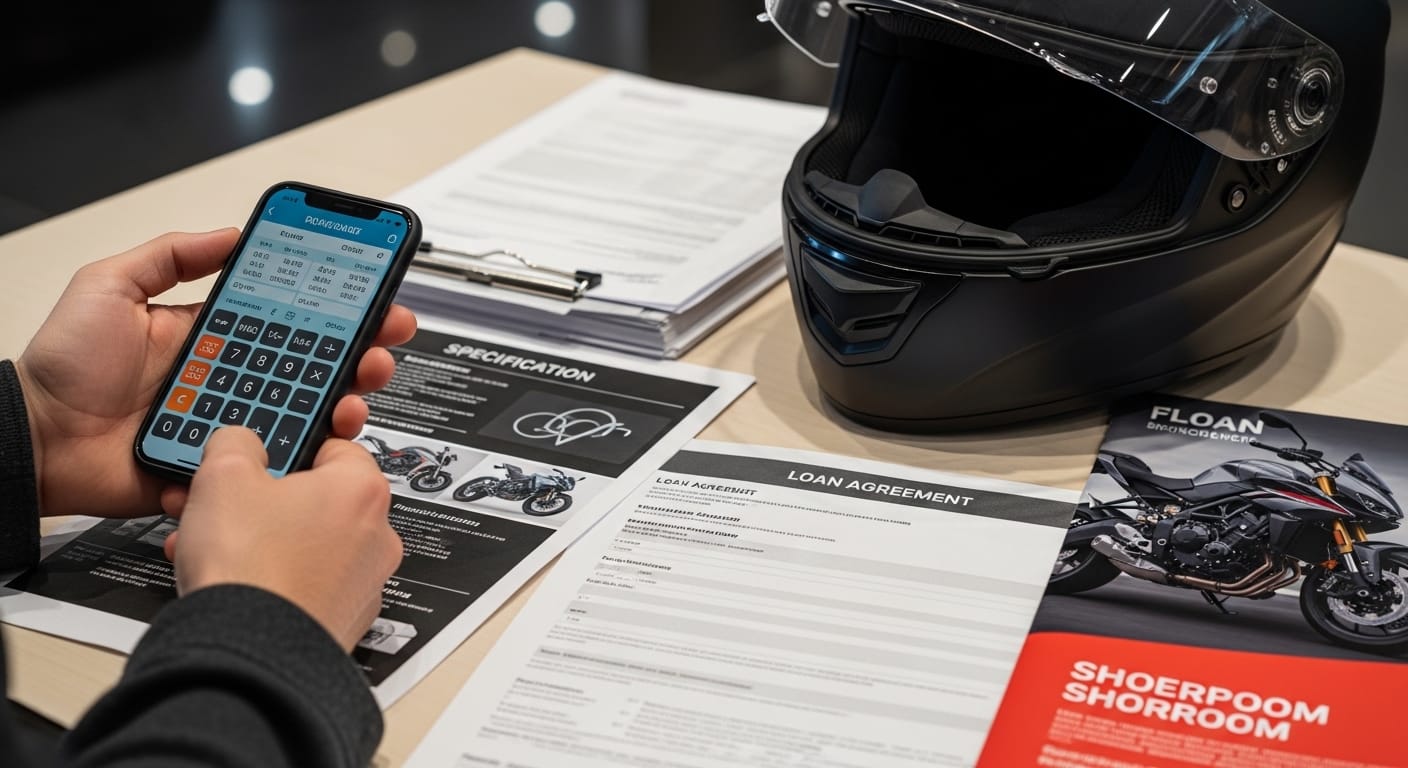
Most riders do not track trade policy the way they track horsepower or suspension settings. They just notice when prices stay high, discounts get weird, or certain bikes start looking less competitive than they should. Tariffs can feed into that. They affect parts, imported components, finished units, and broader manufacturing costs. Even when the effect does not show up as one obvious line item on the showroom floor, it still shapes pricing strategy.
Brands are reacting in different ways
Not every company is reacting the same way. Some brands try to protect profit by leaning harder into premium products. Others look for relief through production strategy, sourcing, or regional trade advantages. Some companies push more affordable entry points to widen the funnel. That matters because pricing pressure does not always lead to lower prices. Sometimes it leads to fewer trims, different inventory choices, or more aggressive efforts to make one lower-priced bike do a lot of strategic work.
Trade deals can also shift the picture
Trade changes do not always push prices upward. Sometimes they open the door to a different result. A brand that faces tariff pressure in one market may see opportunity in another. That can change how aggressively it prices certain bikes or how much attention it gives to a region. In practical terms, riders may see some models get positioned as growth plays while others stay locked into premium territory.
Softer demand is changing what feels worth the money
This may be the biggest point of all. When demand softens, the market starts exposing which bikes buyers truly value and which bikes mainly benefited from hype. That does not mean exciting motorcycles disappear. It means buyers become pickier. A rider may still want a dream bike, but if the price feels detached from everyday value, the purchase gets delayed. That pushes more shoppers toward practical performance instead of maximum performance.
You can already see why that fits your recent site direction. If your readers are showing interest in 400cc adventure bikes, middleweights, and affordable electric motorcycles, that is not random. It reflects a wider mood. Riders still want fun. They still want character. They just want a more believable price-to-enjoyment ratio than they used to accept.
What Riders Are Buying Instead and What Brands Will Do Next
The most useful way to read motorcycle prices in 2026 is not just by looking at what costs more. It is by watching what riders start choosing instead. When price pressure rises, the market does not freeze. It reorders itself. Some riders move down in displacement. Some move into used bikes. Some switch from prestige buying to value buying. Some hold out for a motorcycle that gives them enough technology and style without crossing into premium pain.
Middleweights and approachable bikes look stronger for a reason
Middleweight motorcycles continue to look smart in this environment because they hit a sweet spot. They can feel fast enough, usable enough, and premium enough without demanding flagship money. That matters in a year when buyers are more cautious. A motorcycle does not need to be the most powerful bike in the segment to win attention. It needs to feel worth it.
Affordable bikes no longer feel like compromise purchases
This is one of the biggest cultural shifts in the market. A more affordable motorcycle used to be framed as the bike you settled for. In 2026, that is changing. If a smaller or cheaper bike still delivers style, modern tech, and enough real-world fun, riders are more willing to see it as the smart choice instead of the lesser choice. That attitude gives brands room to compete below the premium ceiling without looking weak.
Electric motorcycles still have a value story to prove
Electric bikes remain part of the conversation, but the value equation still matters a lot. Riders may like the idea of smooth torque, simpler maintenance, and new tech. They still want the pricing to make sense. That is why affordable electric motorcycles are drawing more interest than expensive halo machines for many readers. The category feels strongest when it looks practical, not just futuristic.
Premium bikes are not dead, but the sales pitch is changing
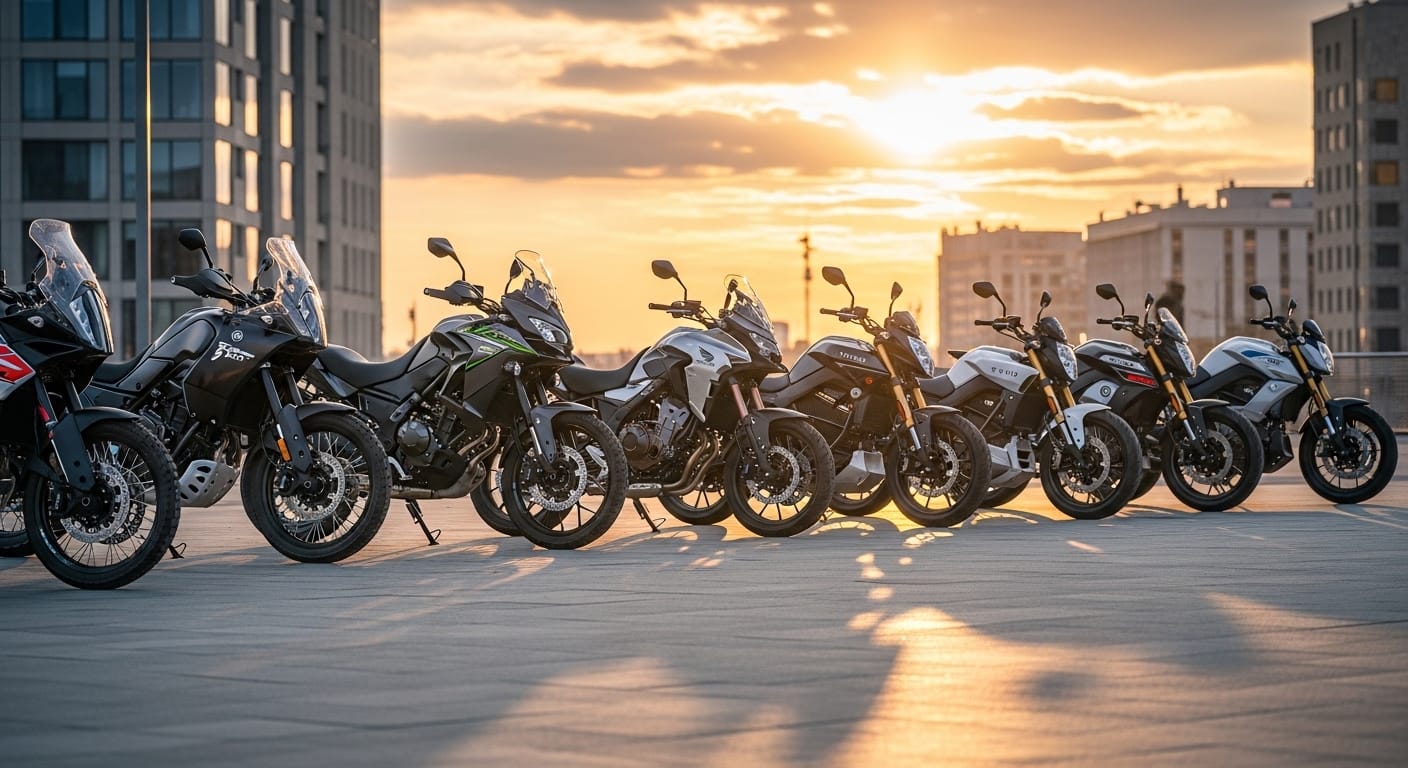
Premium motorcycles are not going away. Plenty of riders still want the image, hardware, and emotional appeal of top-tier machines. What is changing is the burden of proof. A premium bike now has to feel clearly worth the jump. If the gap between a well-equipped middleweight and a prestige flagship looks too wide, shoppers notice. That is why premium brands are under more pressure to explain what the extra money actually buys.
Some companies will answer that with stronger technology packages. Others will lean on heritage, exclusivity, or touring comfort. Some will try to widen the funnel with cheaper entry models while protecting margin at the top. That is a smart move when the market wants both aspiration and access.
The bottom line is simple. Motorcycle prices in 2026 are not just about inflation or one brand’s strategy. They are about a market reset. Tariffs and trade deals are shaping costs and positioning. Softer demand is making buyers more selective. In response, riders are leaning harder toward value, believable performance, and motorcycles that feel easier to justify in everyday life. That is why segments like middleweights, smaller adventure bikes, and better-priced electric motorcycles look so relevant right now. They are not just trendy. They make sense.
For readers who want to track one of the clearest official examples of how brands are talking about this pressure, Harley-Davidson’s investor update is a useful place to start: Harley-Davidson 2026 financial results and outlook.