
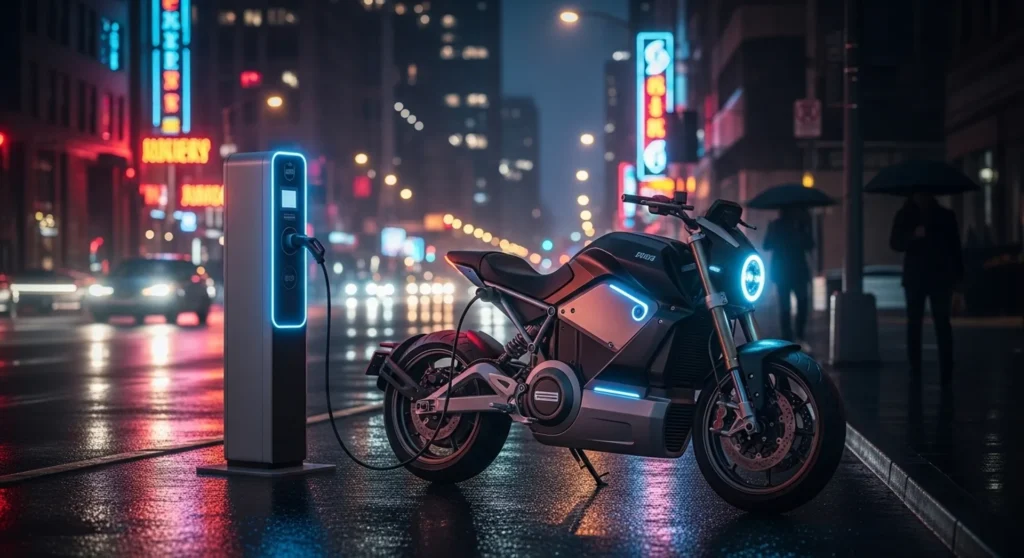
For years, electric motorcycles were treated like an interesting side story in the wider motorcycle industry. They looked futuristic, promised instant torque, and appealed to riders who wanted to try something different, but they still felt too expensive, too limited, or too niche for the average buyer. In 2026, that picture is changing fast.
What makes this shift important is not just that more electric motorcycles are appearing. It is that the conversation has moved from “Are electric bikes real contenders?” to “Which electric bikes actually make sense for everyday riders?” That is a big difference. When prices start coming down, range improves, and smart rider technology becomes more useful instead of gimmicky, the market starts moving from curiosity to adoption.
That is exactly why this is one of the most relevant motorcycle trends right now. Legacy brands are entering the electric category more seriously, newer players are pushing aggressive pricing, and connected safety technology is becoming a bigger part of the riding experience. Royal Enfield’s Flying Flea C6 shows how established brands see urban electric mobility as a real opportunity, while Ola’s Roadster X positions electric motorcycles as a more affordable option for mainstream buyers. At the same time, Bosch continues to push advanced rider assistance and connected motorcycle systems that improve safety and convenience. The IEA’s electric mobility data also shows that electric two- and three-wheelers remain a meaningful part of the global EV shift.
Why Electric Motorcycles Matter More in 2026
The motorcycle world is no longer talking about electric bikes as pure novelty. Riders are now evaluating them the same way they evaluate traditional motorcycles: price, performance, practicality, reliability, and everyday usability. That change matters because it shows the category is maturing.
One of the biggest reasons electric motorcycles are gaining momentum is affordability. Premium electric motorcycles still exist, but brands are learning that the real growth is in practical machines for commuting, city use, and first-time buyers. When pricing starts to edge closer to what buyers already expect from entry-level or mid-range motorcycles, the whole category becomes far more competitive.
1. Lower prices are making electric bikes harder to ignore
For many riders, the biggest barrier has always been simple: cost. A motorcycle can have excellent technology, impressive torque, and clean styling, but if the price is too far above a comparable petrol bike, many buyers walk away. That is why recent pricing pressure in the electric segment matters. It signals that manufacturers are no longer selling only a vision of the future. They are trying to win real-world buyers now.
This has a knock-on effect across the entire market. Once affordability enters the conversation, electric motorcycles stop being limited to enthusiasts and start appealing to commuters, younger buyers, and even riders shopping for a second bike dedicated to urban use. For a blog like Moto-NewsBlog, that makes the topic highly searchable because it sits at the intersection of technology, commuting, savings, and future mobility.
2. Legacy motorcycle brands are giving the category more credibility
New brands helped push electric motorcycles into the spotlight, but mainstream adoption usually accelerates when recognized manufacturers step in. Royal Enfield’s Flying Flea C6 matters because it is not just another electric concept floating around online. It is part of a larger effort to position electric motorcycles as stylish, practical urban machines with real brand identity behind them.
That is important for buyers who want innovation without betting on an unknown company. Trust still matters in motorcycles. Riders care about support, service, build quality, parts availability, and the reputation attached to the badge on the tank. When familiar brands enter the electric space, the category becomes easier for skeptical riders to take seriously.
Smart Rider Tech Is Becoming Part of the Value Proposition
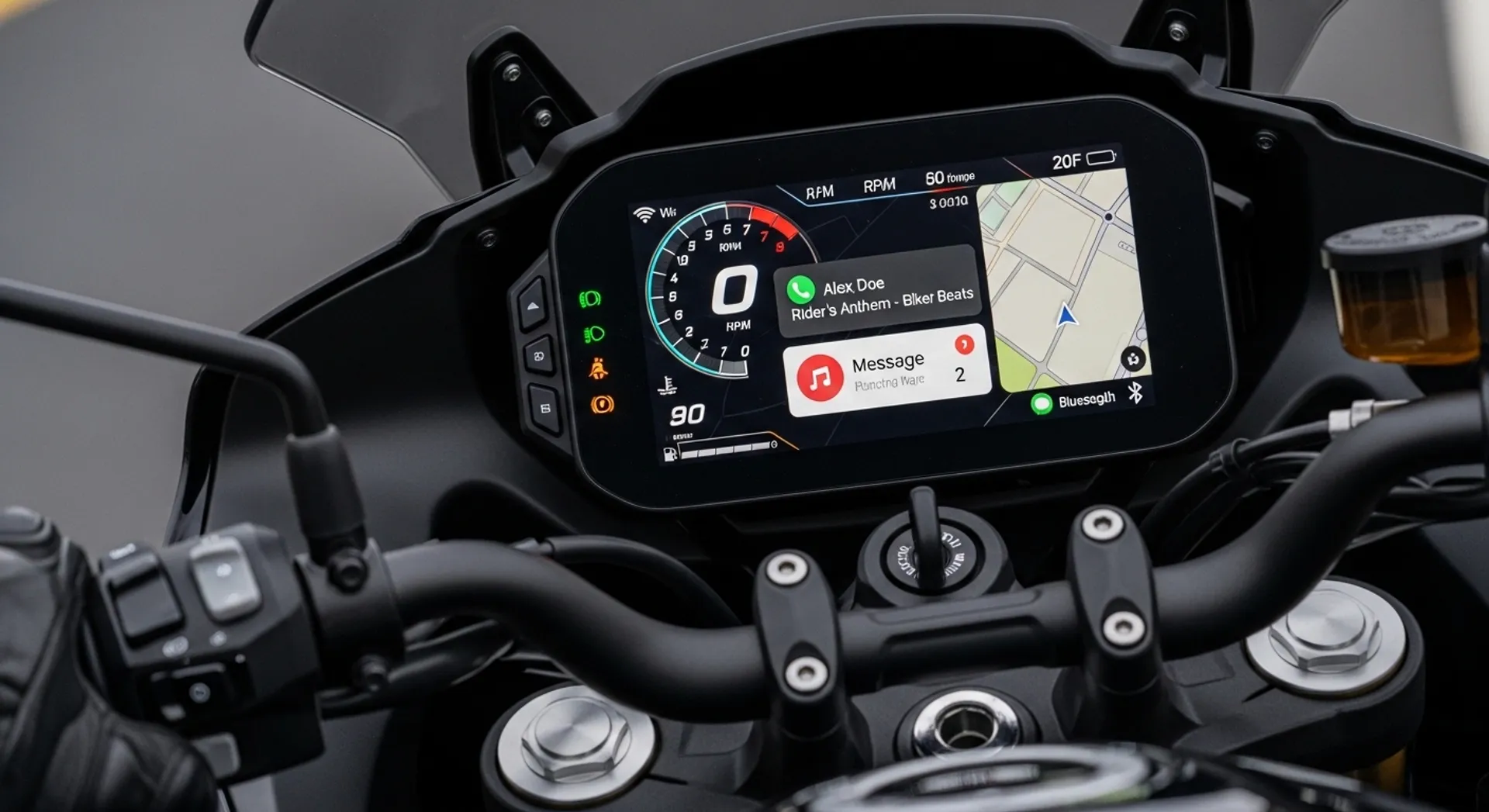
Price alone will not define the next wave of motorcycle buying. Another major trend is the rise of rider-focused technology that adds practical value instead of just looking impressive in a brochure. That includes better TFT dashboards, navigation integration, connected services, emergency support features, and advanced rider assistance systems.
Electric motorcycles are especially well positioned here because buyers already expect them to feel modern. A rider willing to consider an EV is often more open to features like app integration, software-based customization, ride analytics, route planning, and digital service reminders. In other words, electric motorcycles are not only changing the powertrain. They are changing the full ownership experience.
3. Connected dashboards and safety systems are becoming selling points
Bosch has been highlighting technologies such as advanced rider assistance systems, integrated connectivity clusters, and safety-focused systems for two-wheelers. That matters because connected motorcycle tech is becoming easier to market in plain rider language: better awareness, clearer information, smarter alerts, and more convenience on everyday rides.
For the average rider, the key question is not whether a bike has “technology.” The real question is whether that technology helps in a meaningful way. Does it make navigation easier? Does it improve visibility of key information? Does it reduce rider fatigue? Does it help a newer rider feel more confident? Those are the kinds of questions that actually influence clicks, conversions, and shareability.
This is where your existing site content can work hard for you. You already have relevant posts such as Electric Motorcycles on the Rise: The Top Models to Watch in 2025 and The Evolution of Electric Motorcycles: Performance, Technology, and Market Trends. Linking to those articles helps Google understand that your blog is building topical authority around electric motorcycles, not just publishing one-off trend pieces.
Who Benefits Most From This Trend?
Not every rider will switch to electric in 2026, and that is fine. The point is not that petrol bikes are disappearing tomorrow. The point is that electric motorcycles are becoming more realistic for specific rider groups, and those groups are getting bigger.
Urban commuters
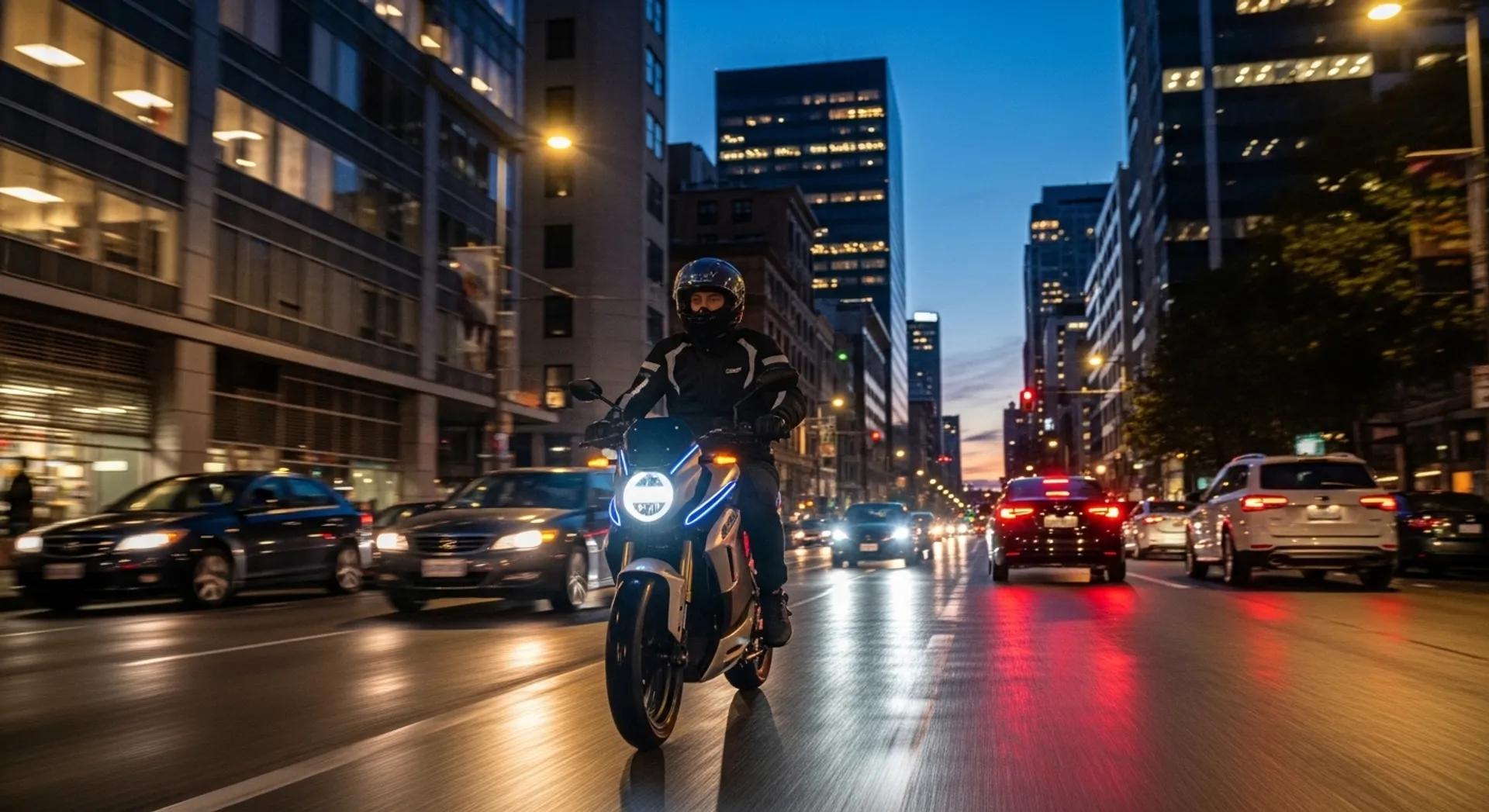
Urban riders are among the clearest winners. They typically ride shorter distances, deal with stop-and-go traffic, and care about running costs. Electric motorcycles fit that profile well. Instant torque makes city riding feel responsive, and lower maintenance can make ownership more attractive for daily use.
New riders
Electric motorcycles can also appeal to beginners, especially those who feel intimidated by clutch-heavy learning curves or aggressive power delivery. Smooth acceleration and simplified operation can lower the entry barrier. That makes this a strong place to include an internal link to The Best Motorcycles for Beginners: 2025 Buyer’s Guide, especially if you want to capture newer riders who are comparing first-bike options.
Tech-focused enthusiasts
Then there are riders who simply want the newest thing done well. These buyers care about interface quality, design, data, software, and innovation. They do not just buy transport. They buy experience. This group is often early to adopt, highly active online, and more likely to share, comment, and link to content built around future motorcycle trends.
What This Means for Moto-NewsBlog
This topic is worth publishing now because it has both short-term and long-term value. In the short term, it taps into current interest around electric launches, falling entry prices, and smart rider features. In the long term, it helps your site strengthen a content pillar around motorcycle technology, sustainable riding, and practical buying advice.
That is the smart play. Instead of chasing random viral headlines that fade in a day, you can publish a post that is timely now and still useful months from now. It also gives you several natural follow-up ideas, such as the best affordable electric motorcycles for commuters, whether electric motorcycles are good for beginners, or which smart rider features actually matter in daily riding.
Electric motorcycles in 2026 are not winning because they are trendy. They are winning because they are becoming more practical, more believable, and more aligned with what modern riders actually want. Better pricing, trusted brands, and useful rider tech are shifting the category from hype to real-world relevance. That is exactly the kind of topic your audience can click on today and still find useful later.