
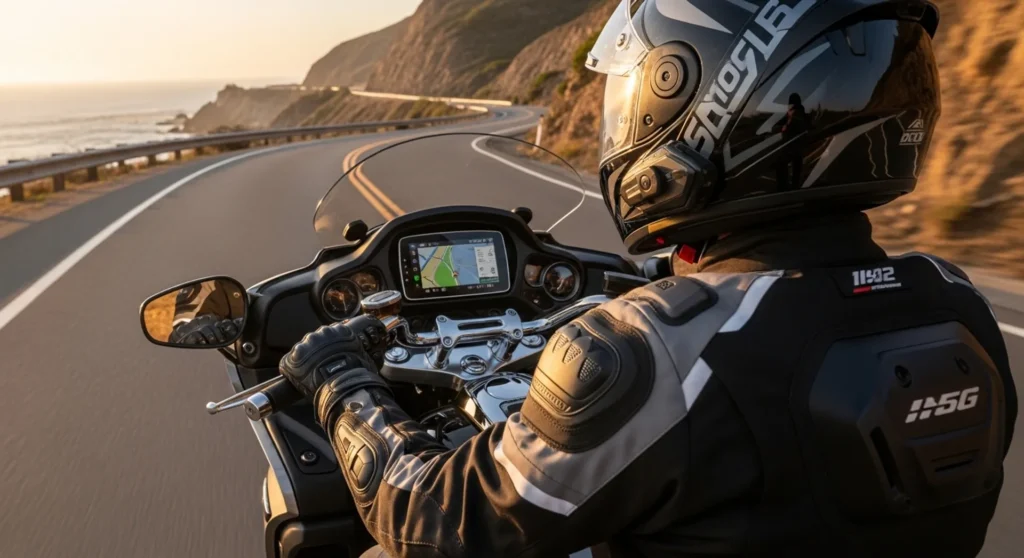
For years, most riders judged a motorcycle by the usual stuff: engine character, styling, comfort, handling, and price. Safety technology was often treated like a bonus rather than a buying priority. That mindset is changing fast. In 2026, one of the most important trends in the motorcycle world is not just more power or better screens. It is smarter protection. That is why motorcycle safety technology 2026 is such a strong topic right now.
Riders are paying more attention to features that can actually reduce crash risk or lessen injury severity when something goes wrong. Anti-lock brakes, traction control, lean-sensitive electronics, radar-based rider assistance, and airbag systems are moving from “interesting extras” to serious buying considerations. For touring riders and commuters, the appeal is obvious. For newer riders, it may be even bigger. Better safety tech can make the learning curve less punishing without taking away the fun of riding.
This topic fits naturally with Moto-NewsBlog’s current direction. If you want more context, check out Motorcycle Technology, Riding Safety, The Evolution of Electric Motorcycles: Performance, Technology, and Market Trends, and The Best Motorcycles for Beginners: 2025 Buyer’s Guide.
Why motorcycle safety technology matters more in 2026
Motorcycling will always involve risk. That is part of the reality of riding on two wheels. But there is a difference between accepting risk and ignoring tools that can reduce it. Riders today are more informed, and manufacturers are offering better equipment than they did just a few years ago.
What makes 2026 different is that safety technology is no longer limited to premium concept bikes or race paddocks. It is becoming easier to find on production motorcycles, touring models, and premium commuter machines. Some of the most discussed developments are not flashy horsepower upgrades. They are systems that help riders brake better, avoid skids, manage traction, monitor surrounding traffic, and protect the body in a crash.
That shift also matches how riders use motorcycles today. Many owners are not only weekend canyon riders. They are daily commuters, long-distance tourers, older returning riders, and beginners who want modern support without buying something dull. Safety technology helps make that possible.
The biggest safety-tech trends riders should watch
1. ABS is still one of the smartest upgrades you can get
ABS does not sound new, but riders still underestimate how valuable it is. Some buyers get distracted by flashy screens and forget that braking support remains one of the most proven safety advantages on a motorcycle. In real-world emergency situations, ABS can help prevent wheel lock and reduce the chance of a crash caused by panic braking.
That matters even more in poor weather, unfamiliar roads, and stop-and-go traffic. For many riders, ABS should be the baseline, not the premium option. If you are looking at used motorcycles or entry-level bikes, this is one feature worth prioritizing before cosmetic upgrades or minor performance mods.
2. Cornering electronics are becoming more important
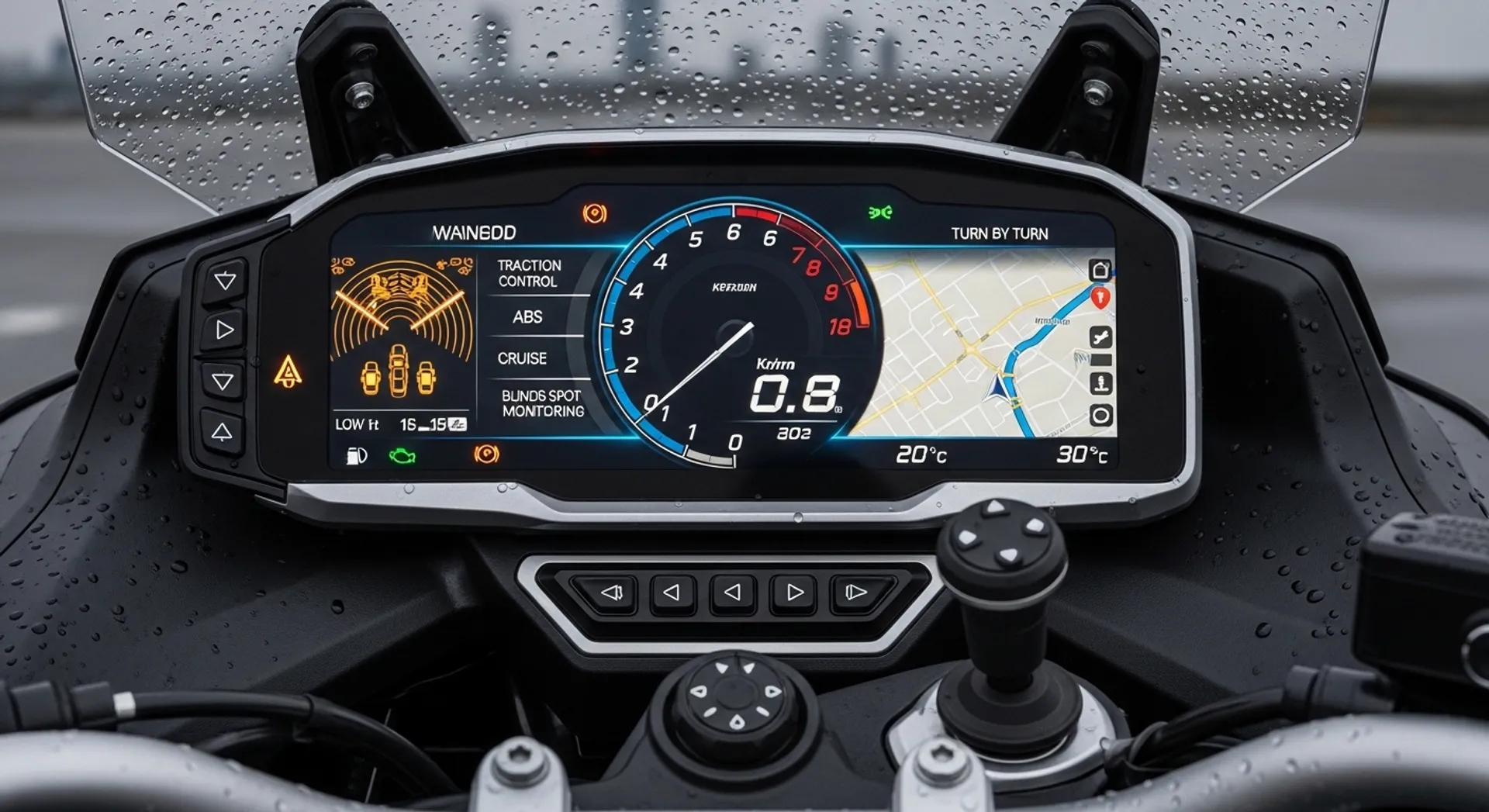
As motorcycles become more advanced, basic ABS is no longer the whole story. More bikes now use IMU-based systems to manage braking and traction while the bike is leaned over. That can make a major difference when a rider reacts mid-corner or encounters poor grip unexpectedly.
These systems do not rewrite physics, and they do not replace skill. Still, they can give riders more margin when the road gets messy. On wet pavement, uneven surfaces, or unfamiliar twisty roads, that extra margin matters.
3. Radar-based rider assistance is no longer science fiction
Radar has become one of the most interesting areas in motorcycle development. More brands are bringing rider-assistance ideas from cars into bikes, especially in the touring and sport-touring world. Features like adaptive cruise control and blind-spot support are getting more attention because they target real fatigue and awareness problems riders face on longer trips.
For highway riders, adaptive cruise control can reduce strain over long distances. For riders in dense traffic, blind-spot awareness can add another layer of information when visibility gets messy. The important thing is to treat these tools as support systems, not autopilot. They help, but they do not make a motorcycle self-driving.
4. Airbag gear is moving from race-only thinking to street relevance
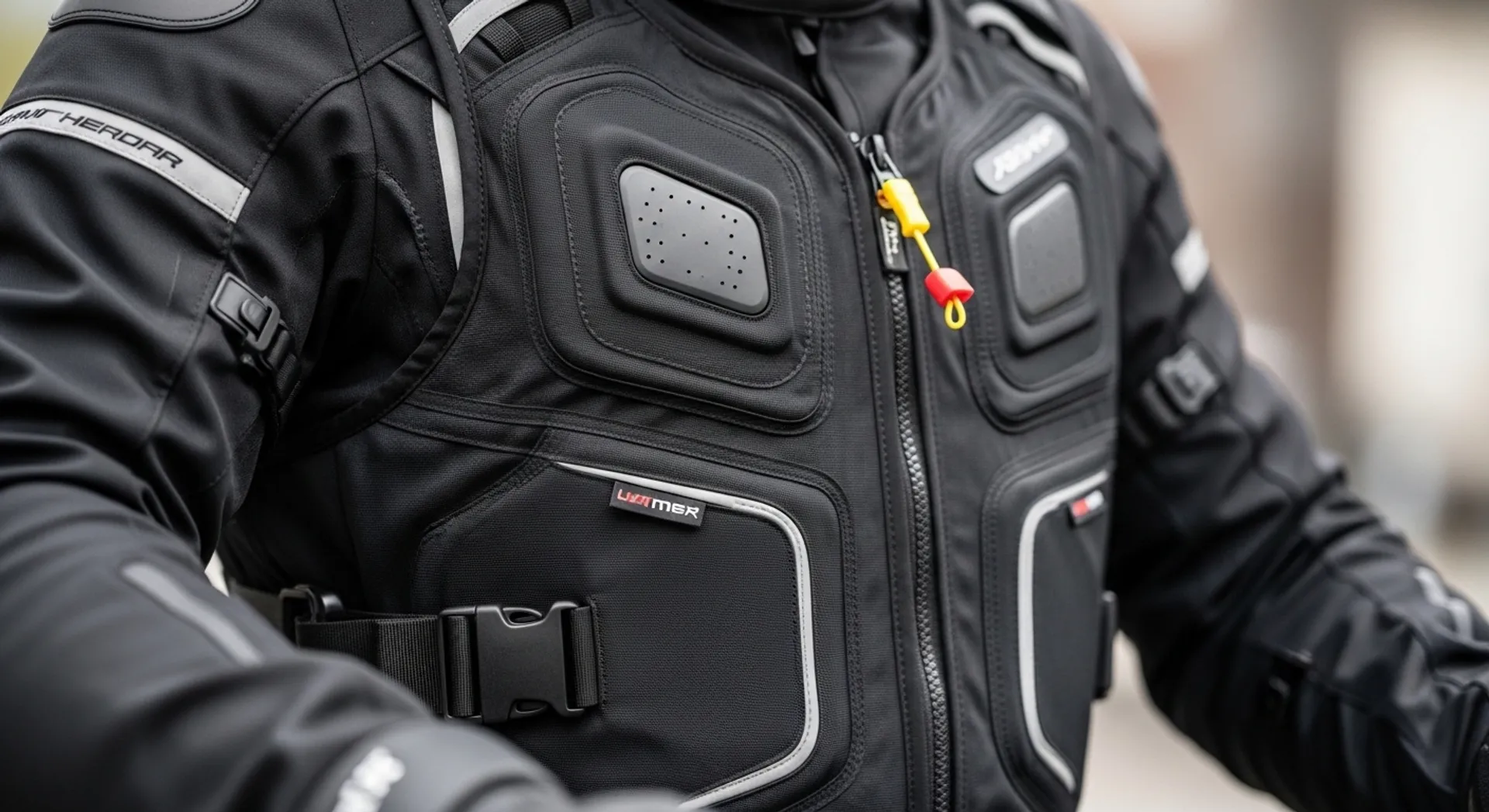
This may be the most interesting shift of all. Airbag systems used to sound like race-only gear for elite riders. That view is outdated. Airbag vests and airbag jackets are now much more visible in the street-riding conversation, and the technology has matured enough that serious riders are giving it a harder look.
There is a reason racing helped normalize this. At the pro level, airbags stopped being a novelty years ago. Once a technology becomes standard in high-speed competition, street riders eventually start asking a smarter question: if it is trusted there, why should it be dismissed here?
For road riders, the value is simple. A good airbag system can offer additional protection for the chest, back, shoulders, and neck area during certain types of crashes. It does not make you invincible, but it can reduce exposure in ways a standard jacket cannot.
5. On-bike airbags are now part of the conversation
Wearable airbag gear is already a serious topic, but 2026 is making the discussion even bigger because on-bike airbag systems are getting more attention too. That is one reason safety technology feels more current right now than it did even a year ago. Once manufacturers begin integrating the idea directly into vehicles, riders start paying attention in a different way.
It is still early, and this does not mean every bike will suddenly have built-in airbags. But it does show the direction the industry is moving. The bigger point is that rider protection is evolving beyond the old helmet-jacket-gloves-only conversation.
Who benefits most from these upgrades?
The obvious answer is everyone, but some riders stand to gain more than others.
Commuters benefit because they deal with distracted traffic, weather changes, lane congestion, and fatigue. Technologies like ABS, traction control, and blind-spot support fit that kind of riding very well.
Touring riders benefit because highway miles create fatigue, and radar-based support systems are especially helpful on longer rides.
Beginners benefit because modern safety systems can make first-bike ownership less punishing while they build skill and confidence. That does not mean beginners should rely on tech instead of training, but it does mean a better-equipped bike can be a smarter long-term purchase.
Returning riders also deserve mention. Many riders coming back after years away are shocked by how much motorcycle technology has changed. For them, modern electronics can make the transition safer and more comfortable.
What smart riders should not do
There is one mistake that keeps showing up whenever safety technology improves: riders start assuming the technology makes them safer no matter how they ride. That is wrong.
Safety systems are not a license to brake later, ride distracted, or charge into bad conditions. A motorcycle with radar, ride modes, traction control, and an airbag vest still depends on tires, maintenance, visibility, judgment, and rider skill.
This is also why buying strategy matters. Do not choose a bike based only on a gadget checklist. Ask better questions:
- Does the bike fit your riding style?
- Will you actually use the safety features properly?
- Can you afford good gear as well as the bike?
- Is the braking system, tire setup, and maintenance support as good as the electronics?
A well-maintained motorcycle with excellent brakes, proper tires, quality gear, and thoughtful riding habits is still a better safety package than a neglected bike with fancy electronics.
How to shop smarter for motorcycle safety technology in 2026
If you are buying a new or newer used bike this year, keep your priorities simple:
- Start with ABS. Treat it like a must-have when possible.
- Look for traction control and IMU-based support if you ride in mixed weather or want more safety margin.
- Consider radar-based features if you do a lot of highway miles or sport-touring.
- Budget for gear, not just the motorcycle. Airbag vests and better protective equipment deserve a place in the total purchase plan.
- Pair technology with training. A safety course and real practice still matter more than a spec sheet.
If you are a beginner, combine this with your first-bike planning by reviewing The Best Motorcycles for Beginners: 2025 Buyer’s Guide. If you are more tech-focused, your readers will also naturally move from this article into the site’s broader Motorcycle Technology section.
Where to learn more from trusted sources
For riders who want solid background beyond brand marketing, the IIHS motorcycle research page is worth reading, especially on ABS. For the rider-assistance side, Bosch has a useful overview of advanced rider assistance systems for two-wheelers. If you want to see how airbag protection became normal in top-level racing, MotoGP’s official coverage of mandatory airbag systems shows how far the technology has already come.
Final thoughts
Motorcycle safety technology 2026 is trending for a good reason. Riders are no longer looking only for more speed, bigger screens, or louder styling. They are paying closer attention to the tools that can improve braking, reduce fatigue, increase awareness, and add real protection in a crash.
The smartest move is not to chase every gadget. It is to focus on the features that give you meaningful value: ABS, better rider aids, quality protective gear, and realistic buying decisions based on how you actually ride. Done right, safety technology does not make motorcycling less exciting. It makes modern riding more survivable, more practical, and frankly, more intelligent.