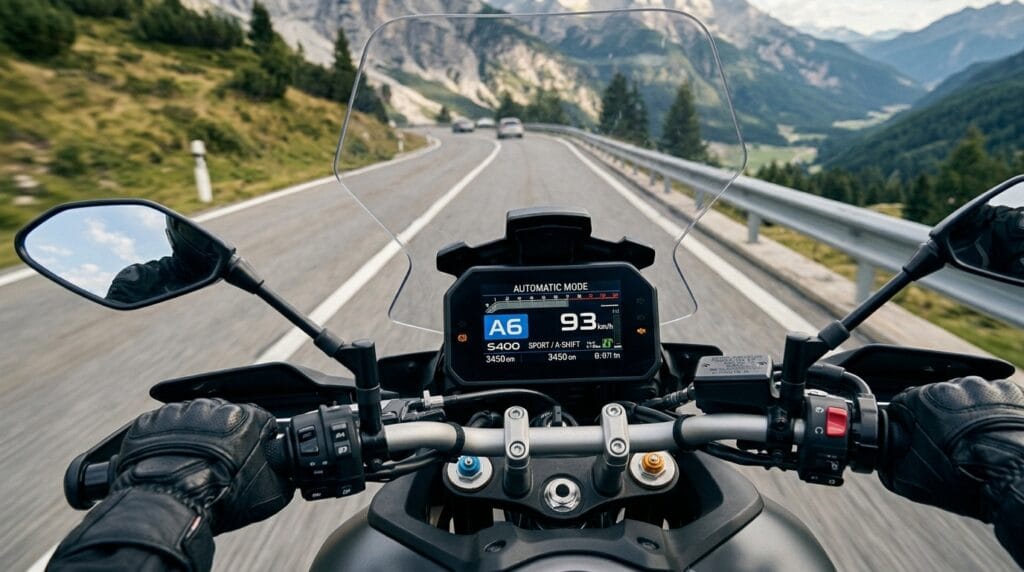
Automatic motorcycles are becoming one of the most interesting motorcycle trends in 2026. For years, many riders treated automatic shifting as something for scooters only. That idea is starting to feel outdated. New systems now keep the fun of riding while reducing clutch fatigue, traffic stress, and low-speed mistakes.
Honda E-Clutch, Yamaha Y-AMT, and Kawasaki hybrid gearboxes show how fast the market is changing. These systems do not all work the same way. Some still let riders shift with their foot. Some use handlebar switches. Some offer fully automatic modes. Others blend electric power with a petrol engine for a new kind of riding feel.
This shift matters because modern riders want motorcycles that fit real life. They still want excitement, control, and character. But they also want comfort in traffic, easier commuting, smoother touring, and technology that helps without making the bike boring.
In this guide, we look at why automatic motorcycles are gaining attention, how the latest systems work, and what riders should consider before buying one.
Why Automatic Motorcycles Are Trending in 2026
The motorcycle market is changing because riders are changing. Many buyers no longer chase only horsepower or top speed. They want a motorcycle that feels easier to live with every day. This is why middleweight bikes, smarter safety tech, electric motorcycles, and practical rider aids are all getting more attention.
Automatic shifting fits that same pattern. It does not remove the rider from the experience. It removes some of the repetitive work. That can make a big difference during city rides, long-distance touring, heavy traffic, and stop-and-go commuting.
Honda explains that its E-Clutch system controls clutch operation electronically. Riders can start, shift, and stop without using the clutch lever, while still keeping control of gear selection. That is a smart middle ground. It helps newer riders, tired commuters, and experienced riders who want less fatigue without losing the feel of a manual bike.
For more technology-focused reading, Moto News Blog readers can also explore the Motorcycle Technology section. It already covers the kind of innovation that makes this trend worth watching.
Clutchless Systems Make Daily Riding Easier
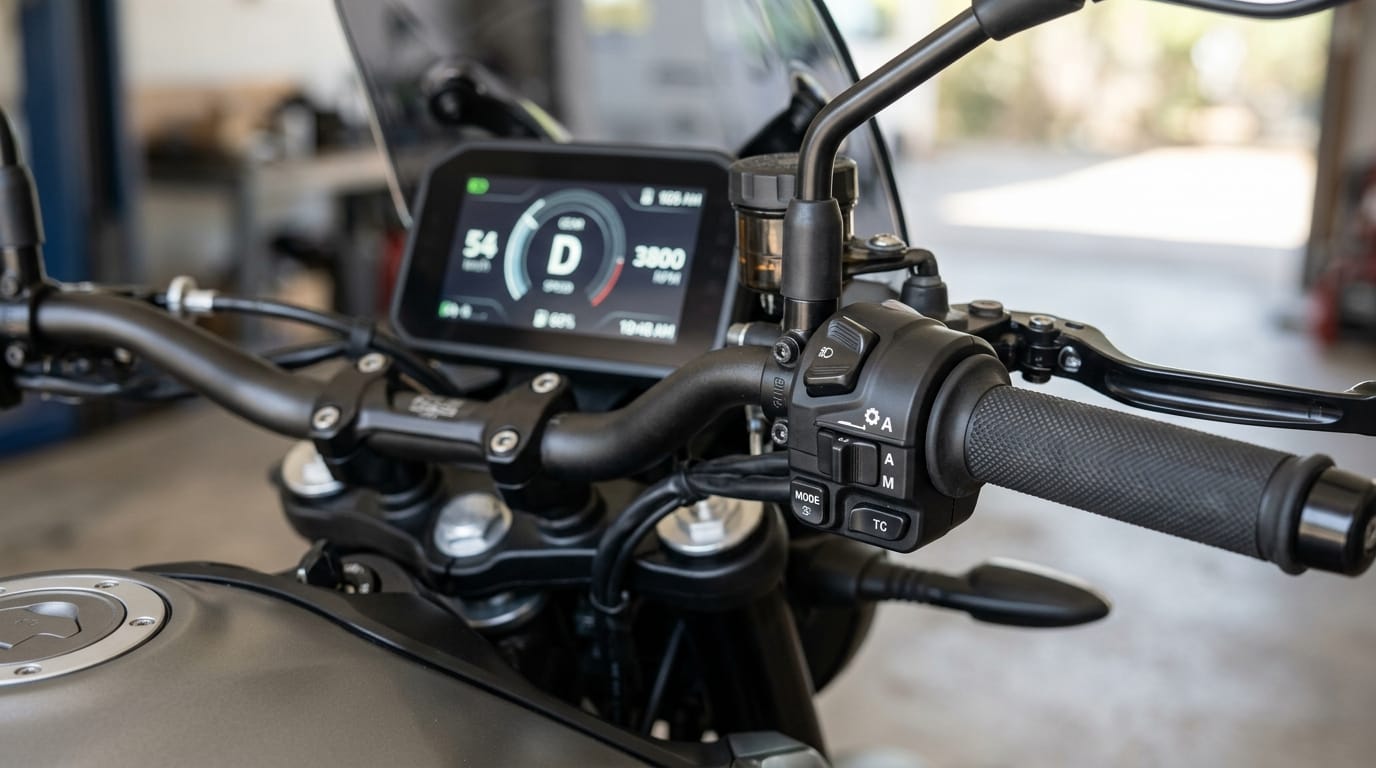
One reason automatic motorcycles are getting popular is simple: traffic is tiring. A normal manual motorcycle can feel great on open roads. But in heavy traffic, constant clutch work can become annoying. Your left hand gets tired. Low-speed balance gets harder. Mistakes become more likely when traffic keeps stopping.
Clutchless systems reduce that stress. They help riders pull away smoothly. They make slow-speed riding less demanding. They can also help during hill starts, parking-lot turns, and urban commutes.
This does not mean skill stops mattering. Riders still need throttle control, braking judgment, road awareness, and balance. The technology helps, but it does not replace good riding habits.
Stop-and-Go Traffic Is Where the Benefit Feels Biggest
Many riders will feel the biggest advantage in traffic. A clutchless or automatic system can make daily commuting smoother. It can also reduce the mental load in crowded streets.
That matters for riders who use a motorcycle as real transportation, not only weekend fun. If a bike feels easier during normal errands, the owner may ride it more often. That is a win for practical motorcycling.
Sport Riding Still Needs Rider Control
Some riders worry that automatic shifting will make motorcycles feel dull. That fear makes sense, but the latest systems are not built only for convenience. Yamaha Y-AMT, for example, offers manual shifting through a finger-operated switch and automatic modes for different riding styles.
Sport riders may still prefer full manual control. That is fine. The point is choice. A rider can enjoy quick shifts on a twisty road, then use an easier mode when traffic gets boring.
Hybrid Motorcycles Add a New Layer to the Trend
Kawasaki is pushing this conversation further with hybrid motorcycles. The Ninja 7 Hybrid and Z7 Hybrid combine a petrol engine with electric assistance. These bikes can offer strong acceleration, electric-only operation in certain conditions, and automated shifting features.
Kawasaki also announced 2026 upgrades for its hybrid motorcycles. The company raised the speed range where riders can switch between full EV mode and Hybrid mode. It also added an automatic transmission option for Sport Mode. That shows the technology is not standing still.
This matters because hybrid motorcycles may become a bridge between petrol bikes and full electric motorcycles. Many riders still like engine sound, range, and quick refueling. At the same time, they want cleaner city riding, smoother power, and smarter drivetrain options.
If you want broader electric context, link this post with solid-state battery motorcycles in 2026. That article supports the same bigger story: motorcycle powertrains are evolving fast.
Cost, Weight, and Maintenance Still Matter
New technology sounds exciting, but riders should stay practical. More electronics can mean higher purchase prices. Hybrid systems can add weight. Special drivetrain parts may also affect maintenance costs.
Before buying, riders should ask simple questions. Can the local dealer service the system? What does the warranty cover? How much does repair cost after the warranty ends? Does the bike feel balanced at low speed? Does the technology improve the ride enough to justify the price?
What Riders Should Know Before Buying One
Automatic motorcycles are not all the same. That is the first thing buyers need to understand. A scooter with a CVT, a Honda DCT bike, a Honda E-Clutch model, a Yamaha Y-AMT motorcycle, and a Kawasaki hybrid all deliver different riding experiences.
That means riders should not buy only based on the word “automatic.” They should test the bike, understand the system, and think about how they actually ride. A commuter may love automatic convenience. A canyon rider may want manual control. A touring rider may want both.
Fit still matters too. Seat height, weight, heat, wind protection, fuel range, and comfort can matter more than the gearbox. A motorcycle with advanced shifting is still the wrong bike if it does not fit your body or your riding style.
Who Should Consider Automatic Motorcycles?
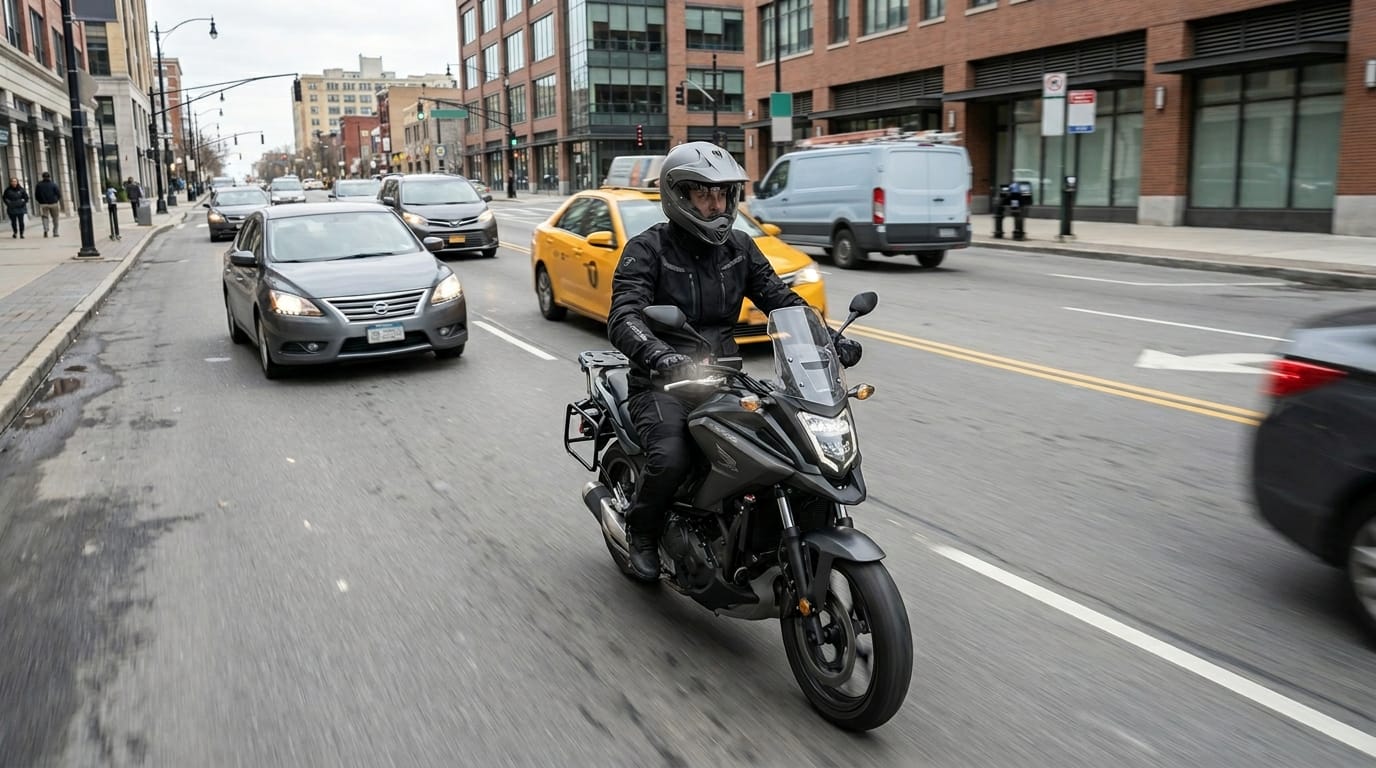
Newer riders may benefit because these systems reduce clutch pressure while they build road confidence. Commuters may benefit because traffic becomes less tiring. Touring riders may enjoy smoother long-distance days. Returning riders may like the easier learning curve after years away from riding.
Experienced riders should also take this trend seriously. Many riders eventually realize that convenience does not kill fun. A motorcycle that feels easier to use may become the bike they ride most often.
This topic also connects with Moto News Blog’s article on why middleweight motorcycles are dominating 2026. Both trends point to the same market shift. Riders want bikes that feel useful, exciting, and realistic for everyday life.
Safety-minded riders may also want to read motorcycle safety technology in 2026. Shifting systems, rider aids, airbags, radar, and better electronics all show how motorcycles are becoming smarter without losing their identity.
The Future Is More Choice, Not Less Fun
The rise of automatic shifting does not mean manual motorcycles are going away. Many riders still love the mechanical rhythm of a clutch lever and foot shifter. That feeling remains part of motorcycling’s charm.
The real story is choice. Riders can now choose traditional manual bikes, clutch-assist systems, automated manuals, dual-clutch systems, hybrid motorcycles, and full electric bikes. That gives buyers more ways to match a motorcycle to their lifestyle.
For official background, riders can review Honda’s Honda E-Clutch technology page, Yamaha’s Y-AMT overview, and Kawasaki’s 2026 hybrid motorcycle updates.
Final takeaway: Automatic motorcycles in 2026 are not about making riding lazy. They are about giving riders more comfort, more control options, and more practical ways to enjoy two wheels. E-Clutch, Y-AMT, DCT, and hybrid gearboxes all point in the same direction. The future of motorcycling will not be one type of transmission. It will be the freedom to choose the system that makes you want to ride more.