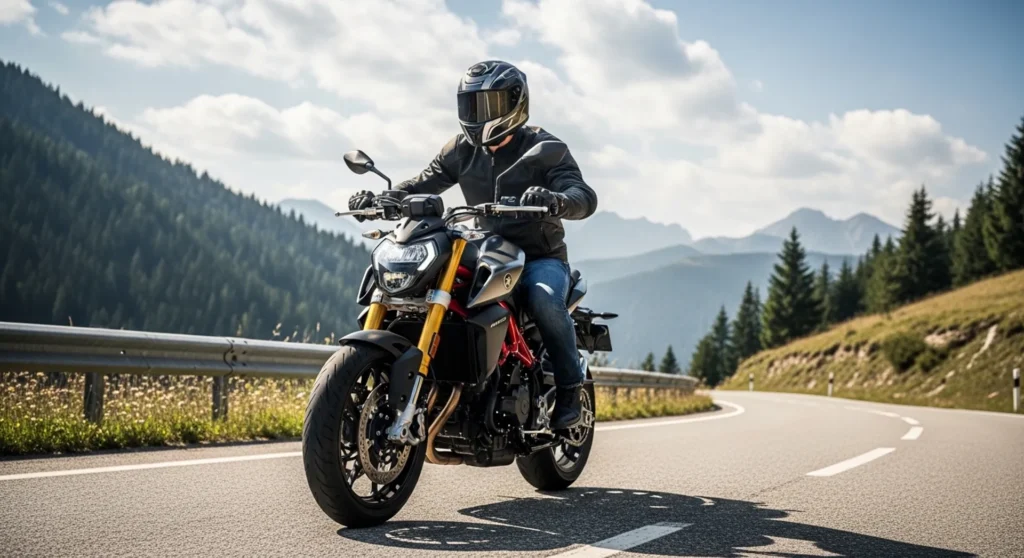
For years, a lot of motorcycle marketing followed the same formula: more power, more electronics, more speed, more size, and usually a bigger price tag to match. But 2026 is making something very clear. A growing number of riders do not want the biggest bike in the showroom. They want the smartest one for the way they actually ride. That is exactly why middleweight motorcycles 2026 is such an important trend to watch.
The middleweight segment has become the sweet spot for real-world riding. These bikes are fast enough to stay exciting, light enough to stay manageable, comfortable enough for daily use, and modern enough to satisfy riders who still want quality technology. They are no longer seen as a compromise. In 2026, they are starting to look like the smartest choice in the market.
That shift matters because it reflects how motorcycle priorities are changing. Riders are thinking harder about ownership cost, daily usability, comfort, versatility, and confidence. They still want fun, but they do not necessarily want a bike that feels excessive every time they ride to work, filter through traffic, or head out for a casual weekend run.
If you have already read our Best Motorcycles for Beginners: 2025 Buyer’s Guide, this next step will feel familiar. The market is moving toward motorcycles that are easier to live with, not just easier to admire on paper.
The Big Shift: Why Middleweights Make More Sense in 2026
The biggest reason middleweight motorcycles are winning in 2026 is balance. Big-displacement bikes still have their place, and they can be incredible machines. But for a lot of riders, especially those dealing with city traffic, rising ownership costs, and mixed daily riding conditions, more motorcycle is not always more enjoyable.
A middleweight bike usually gives you enough torque, enough highway confidence, and enough cornering fun without asking you to wrestle excessive weight or pay for performance you may rarely use. That makes these bikes easier to enjoy more often. And that matters a lot more than spec-sheet bragging rights.
There is also a confidence factor. A bike that feels approachable tends to get ridden more. Riders are more likely to take it out on a weekday, commute on it, run errands with it, or plan a quick ride without turning the whole day into a production. When a motorcycle fits normal life, ownership gets better.
This is one reason modern mid-capacity bikes are no longer just “starter bikes” or “budget bikes.” They are increasingly the bikes that experienced riders choose after learning what actually works in the real world.
Manufacturers Are Clearly Following the Trend
You can usually tell where the market is going by watching what manufacturers keep investing in. In 2026, the signal is obvious. Brands are not treating middleweights like filler. They are treating them like core products.
Adventure riders now have more options in lighter, more manageable platforms. Street riders have more parallel-twin and mid-capacity naked bikes that offer strong performance without becoming exhausting. Even sport-oriented riders are seeing more serious middleweight choices that feel sharp, modern, and genuinely desirable.
That matters because manufacturers do not keep building serious new bikes in a segment unless they believe riders want them. The middleweight class is getting real attention in styling, chassis quality, electronics, and overall product identity. These are not stripped-down placeholders anymore. They are headline bikes.
This trend also pairs naturally with our coverage of The Evolution of Electric Motorcycles: Performance, Technology, and Market Trends. In both cases, the industry is moving toward smarter, more usable motorcycles instead of simply chasing old definitions of prestige.
Performance Without the Intimidation
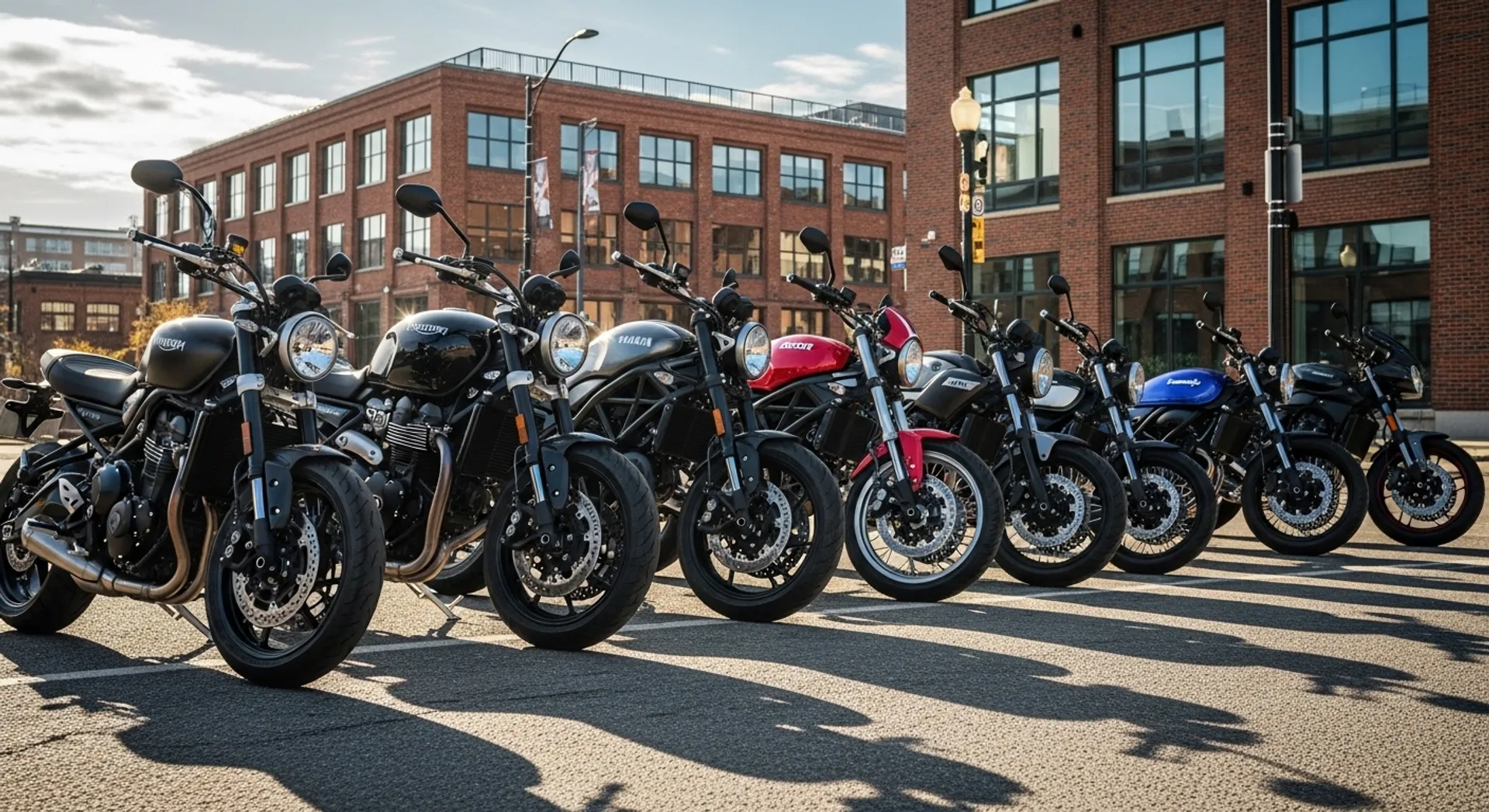
One of the smartest things about middleweight motorcycles 2026 is how much performance they now offer without crossing into overwhelming territory. A modern middleweight is not slow. It is not dull. It is not something you “settle for” because you cannot handle more bike. In many cases, it is exactly the amount of bike that makes the most sense.
That is especially true on public roads. Most riders are not living on racetracks. They are riding through traffic, tight corners, rough pavement, changing weather, and roads where confidence matters more than maximum horsepower. In those conditions, a lighter, better-balanced motorcycle often feels more rewarding than a machine that only comes alive when pushed far past what the street reasonably allows.
Middleweights also let riders use more of the motorcycle more of the time. That is a big deal. There is real fun in a bike that feels alive at normal speeds, turns in easily, and does not punish you for every low-speed maneuver or parking-lot mistake.
Ownership Costs Matter More Than Riders Want to Admit
Motorcycle passion is emotional, but ownership is still practical. In 2026, riders are paying closer attention to the full cost of a bike, not just the sticker price. Insurance, fuel use, maintenance, tires, financing pressure, and accessories all shape the real value of ownership.
This is where middleweights keep looking stronger. In general, they are easier on the wallet than larger premium machines, and they still deliver a satisfying riding experience. That makes them appealing not only to newer riders, but also to experienced riders who want strong value instead of maximum complexity.
And value does not mean boring. Some of the most interesting motorcycles right now sit in this middle zone because brands know that is where price sensitivity and daily enthusiasm meet. Riders want motorcycles that feel exciting, but they also want bikes they can justify keeping, upgrading, and actually riding often.
If you want the broader context on where rider priorities have been heading, our post on motorcycle technology and trends is a good internal companion to this topic.
Middleweights Fit More Riding Styles Than Ever
Another reason this segment is growing is flexibility. Middleweight motorcycles are no longer trapped in one narrow identity. Riders can now choose from adventure bikes, sporty twins, retro-inspired roadsters, lightweight nakeds, beginner-friendly all-rounders, and tech-focused daily riders without leaving the segment.
That variety matters because today’s rider is not as boxed into one use case. Someone may commute during the week, take a short highway trip on Saturday, and enjoy a relaxed backroad ride on Sunday. A good middleweight can do all of that without feeling badly matched to any one situation.
This versatility is part of what makes the segment so strong in 2026. It is not just that the bikes are lighter or more affordable. It is that they fit modern riding habits better. A lot of riders want one motorcycle that can handle most of life well, not a specialized machine that only shines in one context.
Technology Has Traveled Down the Market
One major reason middleweights feel more premium now is that the technology gap has narrowed. Riders no longer need to jump to the most expensive motorcycles just to get features that improve comfort, safety, and day-to-day ownership. The trickle-down effect is real.
That means more riders can access ride modes, improved rider aids, better displays, refined engine mapping, stronger chassis design, and more polished ergonomics without moving into heavyweight territory. As a result, middleweights no longer feel like basic motorcycles with obvious corners cut. Many of them feel complete.
This is another area where our article on riding safety and smarter rider habits connects well. Better technology is only valuable when it makes the riding experience more usable, more predictable, and safer in the real world.
Who Should Be Looking at a Middleweight in 2026?
The short answer is more riders than ever. Beginners are obvious candidates because manageable performance and confidence matter. But the more interesting group is experienced riders who have already owned larger motorcycles and are starting to realize they do not need all that extra size and power to have a good time.
Middleweights make sense for commuters, returning riders, weekend canyon riders, urban riders, budget-conscious enthusiasts, and people who want one bike that can cover multiple jobs. They are also a smart choice for anyone who wants a motorcycle that feels rewarding without constantly demanding attention, money, or effort.
The biggest mistake buyers can make is assuming they have to “graduate” out of the category. In 2026, the better mindset is to buy the bike that matches your actual riding life. For a lot of people, that answer is now sitting right in the middle of the market.
What to Look for Before You Buy
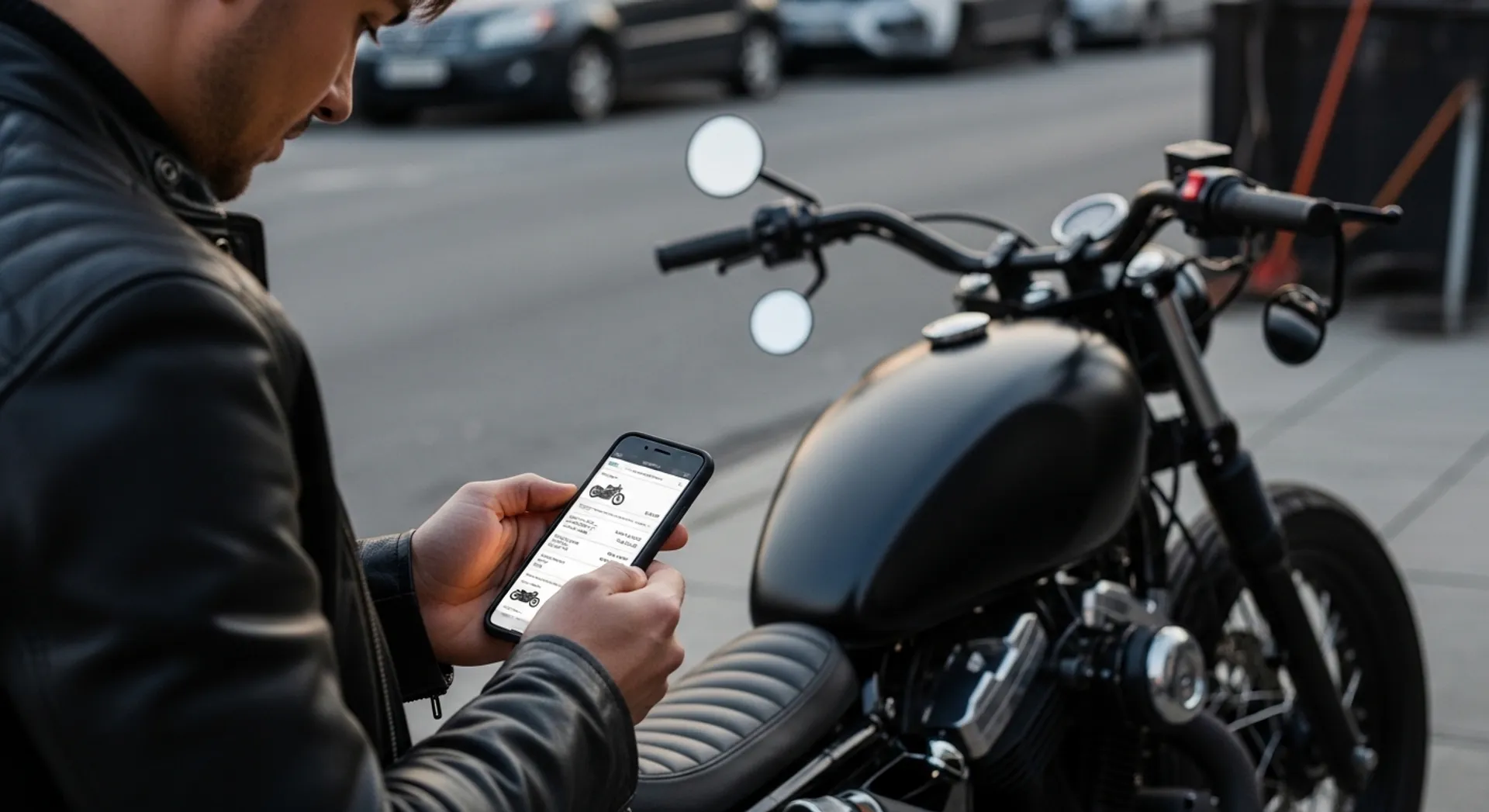
If you are shopping this category, start with honesty. Think about where you ride most, how often you ride, whether you carry luggage or a passenger, and how much comfort matters to you compared with outright aggression. Then think about total ownership cost, dealer support, and how the bike feels at low speed, not just how it looks online.
Seat height, handlebar position, weight distribution, throttle response, and heat management can all matter more than a flashy spec sheet. So can things like fuel range, wind protection, and maintenance intervals. A middleweight is supposed to make riding easier to enjoy, not just easier to finance.
That is why a test ride matters so much. On paper, many of these motorcycles look close. In the real world, one may feel instantly right while another feels tiring, awkward, or too sharp for the way you ride.
Final Thoughts
Middleweight motorcycles 2026 are winning because they line up with what riders actually need now. They offer real performance without unnecessary intimidation, strong design without excessive cost, and versatility without turning every ride into a commitment. They are not a stepping stone anymore. They are becoming the destination.
That does not mean liter bikes, heavyweight tourers, or flagship adventure machines are going away. It means the center of gravity is shifting. Riders are becoming more thoughtful, and manufacturers are responding with bikes that feel more usable, more exciting in the real world, and easier to justify long term.
If you want one motorcycle that can make daily riding, weekend fun, and long-term ownership feel smarter in 2026, the middleweight class may be the best place to start looking.
External resource: For a broader look at current new-model options, see Rider Magazine’s 2026 Motorcycle Buyers Guide.