
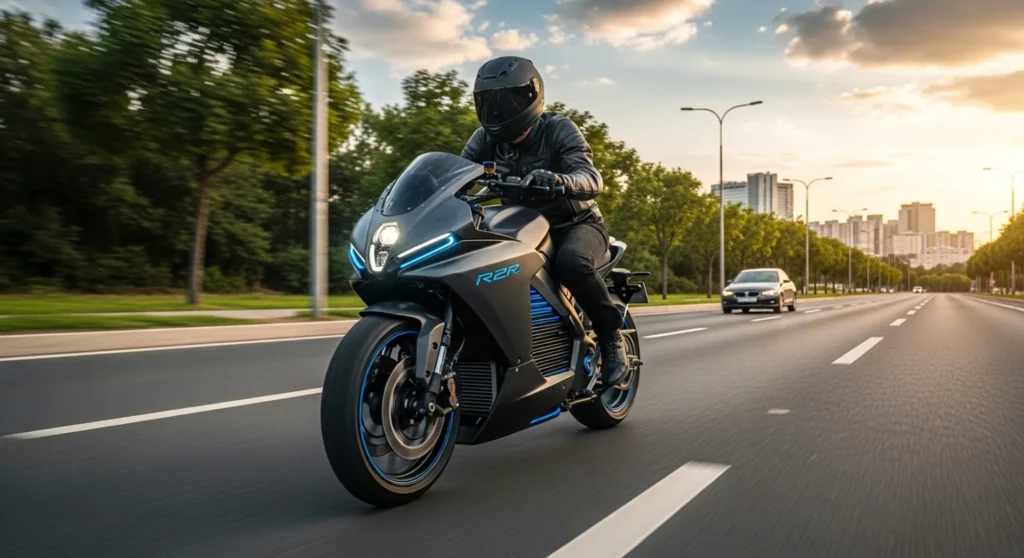
Electric motorcycles have moved from experimental concepts to serious contenders in the global motorcycle market. Once limited by short range and basic performance, modern electric motorcycles now offer competitive acceleration, advanced electronics, and increasingly practical riding ranges. As technology improves and rider perception shifts, electric motorcycles are playing a growing role in the future of two-wheel transportation.
Manufacturers, governments, and riders are all contributing to this transformation. From urban commuting solutions to high-performance electric sport bikes, the evolution of electric motorcycles reflects broader changes in mobility, sustainability, and engineering innovation.
How Electric Motorcycles Have Evolved Over Time
Early electric motorcycles were primarily designed for short-distance travel and city use. Limited battery capacity, slow charging speeds, and high costs made them impractical for many riders. These early models often lacked the performance and reliability expected by motorcycle enthusiasts.
Over time, significant investments in research and development have addressed many of these limitations. Today’s electric motorcycles are built with purpose-designed platforms rather than modified gasoline frames, resulting in improved efficiency, safety, and ride quality.
Advancements in Battery Technology
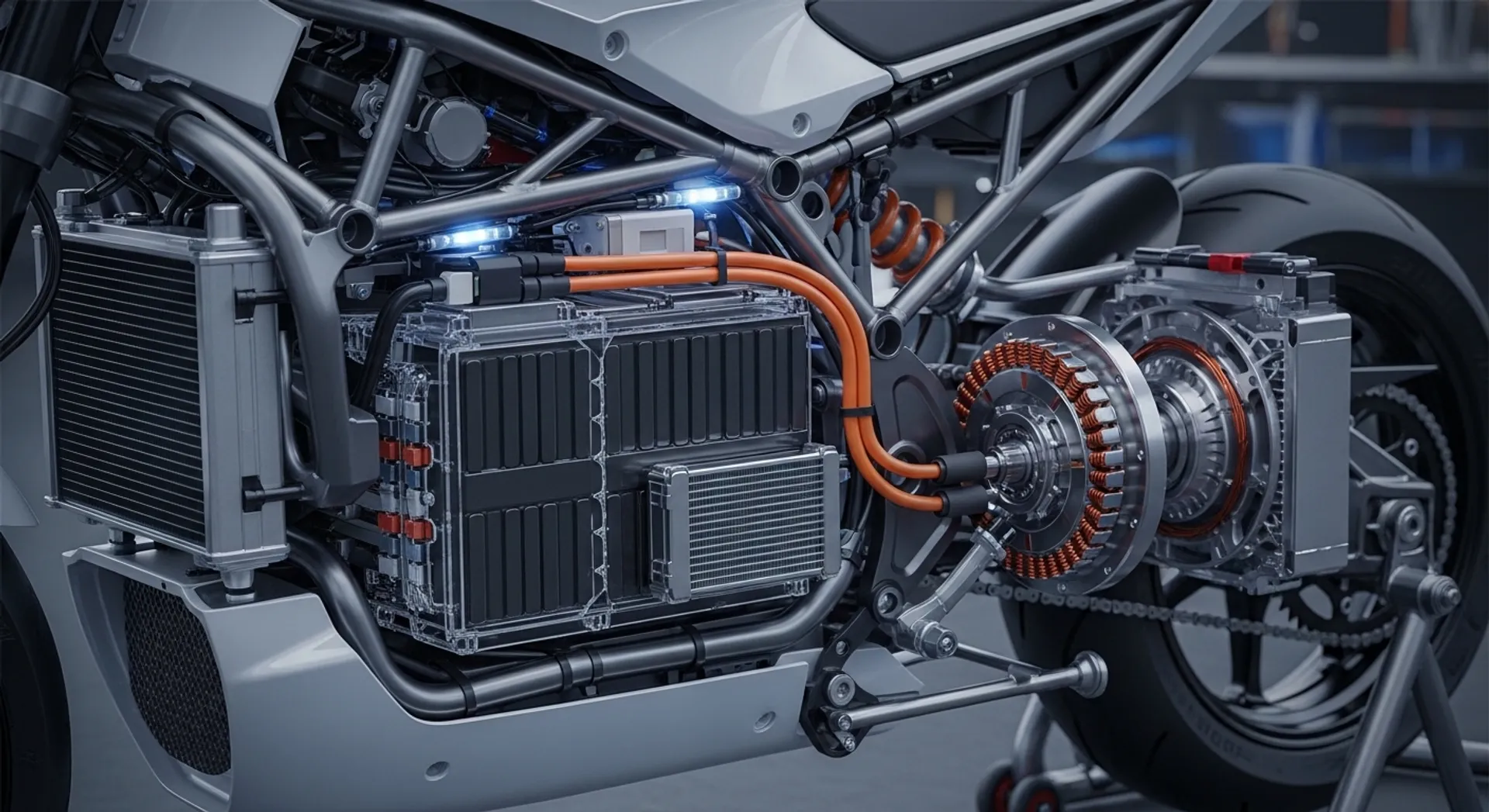
Battery technology has been the single most important factor in the evolution of electric motorcycles. Modern batteries offer higher energy density, improved thermal management, and longer service life compared to early designs.
These improvements allow manufacturers to increase range without significantly increasing overall vehicle weight. As a result, electric motorcycles are now capable of meeting the demands of daily commuting and recreational riding.
Improved Range and Charging Speed
One of the biggest concerns for riders considering electric motorcycles has been range anxiety. Newer battery systems have reduced this concern by offering ranges that support real-world riding conditions.
Charging speed has also improved. Many modern electric motorcycles support fast-charging systems that significantly reduce downtime, making electric ownership more practical for a wider audience.
Electric Motor Performance
Electric motors provide instant torque delivery, which has become a defining characteristic of electric motorcycles. This immediate power response creates strong acceleration and smooth performance across a wide speed range.
Unlike internal combustion engines, electric motors do not require gear changes to deliver peak torque, resulting in a more linear and predictable riding experience.
Acceleration and Power Characteristics
The instant torque of electric motors allows electric motorcycles to accelerate quickly from a standstill. In urban environments, this responsiveness improves safety and confidence when merging or overtaking.
Performance-oriented electric motorcycles now rival traditional sport bikes in acceleration metrics, demonstrating that electric powertrains can deliver serious performance.
Lightweight Materials and Chassis Design
As battery packs add weight, manufacturers have focused on lightweight materials and optimized chassis design to maintain balance and agility. Aluminum frames, composite components, and compact motor layouts contribute to improved handling.
These design choices ensure that electric motorcycles remain engaging to ride despite their unique mechanical layouts.
Balancing Weight and Handling
Battery placement plays a critical role in handling characteristics. By positioning battery packs low within the chassis, manufacturers can lower the center of gravity and improve stability.
This approach enhances cornering confidence and helps electric motorcycles feel more predictable during aggressive riding.
Market Trends and the Future of Electric Motorcycles
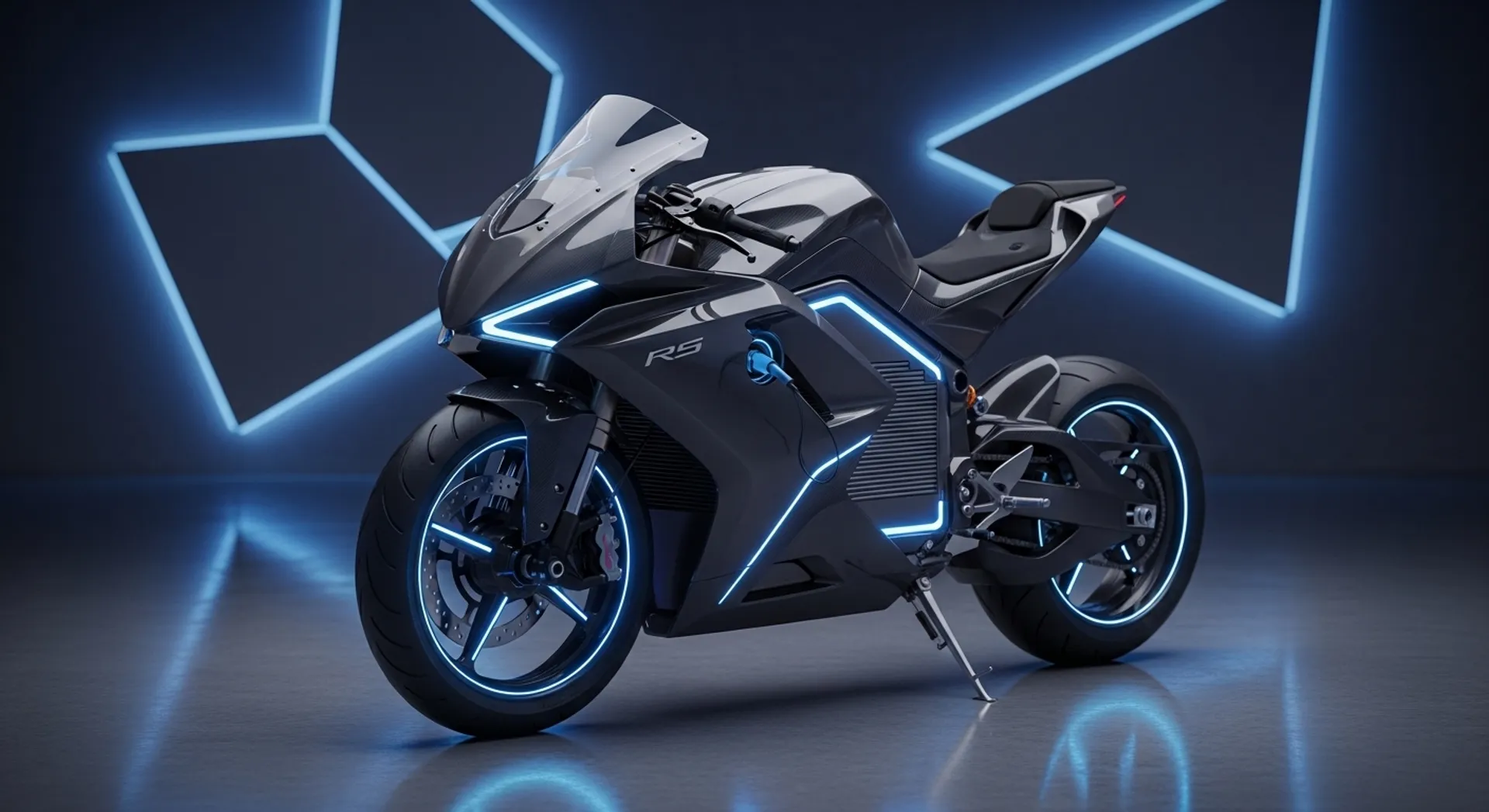
The electric motorcycle market is expanding as environmental regulations tighten and urban mobility needs evolve. Governments in many regions are encouraging electric vehicle adoption through incentives and infrastructure development.
At the same time, riders are becoming more open to electric motorcycles as performance and reliability improve.
Growing Acceptance Among Riders
Early skepticism surrounding electric motorcycles is gradually fading. Riders who experience electric models firsthand often highlight smooth power delivery, low maintenance requirements, and quiet operation as key advantages.
Manufacturers are also offering a wider variety of models, allowing riders to choose electric motorcycles that suit different riding styles and preferences.
Infrastructure and Charging Development
Charging infrastructure is essential for the continued growth of electric motorcycles. Public charging stations, workplace charging options, and home charging solutions are becoming more common.
As infrastructure expands, electric motorcycles become more practical for longer trips and broader geographic use.
The Role of Fast-Charging Networks
Fast-charging networks reduce the time required to recharge electric motorcycles, making them more convenient for daily use. These networks are especially important for riders who do not have access to home charging.
Continued investment in fast-charging technology will play a major role in shaping future adoption rates.
Challenges Facing Electric Motorcycles
Despite progress, electric motorcycles still face several challenges. Higher upfront costs, limited charging availability in remote areas, and long-term battery replacement concerns remain important considerations.
Manufacturers are actively addressing these issues through innovation, partnerships, and improved production efficiency.
Addressing Cost and Accessibility
As battery production scales and technology matures, costs are expected to decrease. More affordable models are already entering the market, making electric motorcycles accessible to a broader audience.
Increased competition among manufacturers is also driving improvements in value and performance.
Environmental Impact and Sustainability
Electric motorcycles produce zero emissions during operation, which contributes to improved air quality in urban areas. However, battery production and disposal present environmental challenges.
Industry efforts are increasingly focused on battery recycling programs and sustainable material sourcing to reduce long-term environmental impact.
Electric motorcycles continue to evolve as technology advances and market conditions change. Performance improvements, expanding infrastructure, and shifting rider attitudes are shaping a new chapter in motorcycle history.
As development continues, electric motorcycles are expected to become an integral part of the global motorcycle landscape, offering riders new options without sacrificing performance or enjoyment.