
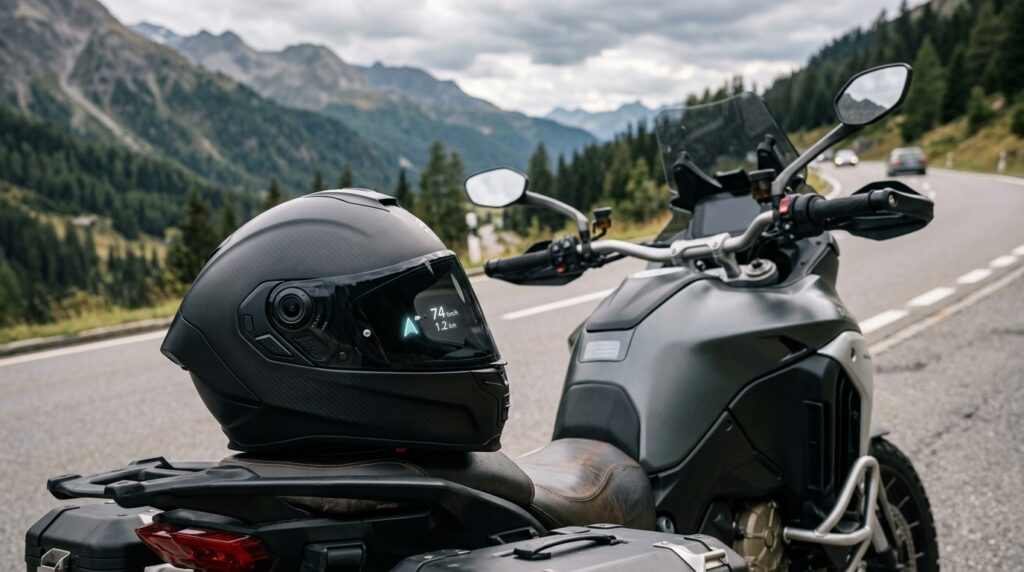
Smart motorcycle helmets are becoming one of the biggest rider-technology trends in 2026. For years, helmets were judged mainly by fit, shell material, ventilation, noise control, visor quality, and safety certification. Those basics still matter most. But now riders also see helmets with head-up displays, built-in cameras, Bluetooth audio, mesh communication, voice control, crash alerts, navigation, and app connectivity.
This shift makes sense. Motorcycles are getting more digital. Riders use GPS apps, action cameras, Bluetooth intercoms, radar aids, phone mounts, tire-pressure monitors, and connected dashboards. The helmet is the natural next place for technology to grow because it sits closest to the rider’s eyes, ears, and attention.
Still, riders should be careful. A smart helmet is only useful if it remains a good helmet first. A flashy display or camera cannot replace real impact protection, a secure chin strap, proper fit, and a certified shell. The best smart motorcycle helmets in 2026 should make riding easier and safer without distracting the rider from the road.
The real question is not whether helmet technology is cool. The better question is whether it helps riders see better, think faster, communicate clearly, and stay focused while still wearing protective gear that fits correctly.
Why Smart Motorcycle Helmets Are Trending in 2026
Smart motorcycle helmets are trending because riders want technology that works without pulling attention away from the road. A phone mounted on the handlebar can help with navigation, but looking down at it takes attention away from traffic. A separate action camera can record a ride, but it adds mounts, wires, batteries, and wind noise. A Bluetooth unit helps communication, but it may not integrate smoothly with navigation or camera systems.
A smart helmet tries to combine those features into one cleaner setup. The best versions aim to reduce clutter and keep information close to the rider’s natural line of sight. That can be useful for commuting, touring, group rides, delivery work, adventure riding, and long-distance travel.
For broader helmet-buying basics, riders should also read Motorcycle Helmet Standards in 2026: DOT, ECE 22.06, FIM Racing Helmets, and What Riders Should Actually Buy. That guide explains why safety labels, fit, and helmet type still matter before any smart feature.
HUD displays can reduce the need to look down
Head-up displays, often called HUDs, are one of the most exciting smart helmet features. A HUD can show simple riding information, such as navigation prompts, speed, calls, or alerts, near the rider’s field of view. In theory, that helps riders keep their eyes closer to the road instead of glancing down at a phone or dashboard.
The best HUD setup should stay simple. Riders do not need a video game screen inside the visor. They need clear, minimal, useful information that appears only when needed. Too much data can become a distraction. A small arrow, short route instruction, or speed reminder may help. A crowded display can do the opposite.
Navigation should be simple, not distracting
Navigation is one of the strongest uses for smart motorcycle helmets. Riders often need directions while keeping both hands on the bars and both eyes on traffic. A helmet that provides clear turn prompts can help, especially in unfamiliar cities or during touring routes.
But good design matters. The display should not block vision. It should not require constant reading. It should not encourage riders to stare at the visor instead of scanning traffic. Smart navigation should act like a quiet assistant, not a second dashboard fighting for attention.
Voice control can help, but it must work reliably
Voice control sounds perfect for motorcyclists because gloves and touchscreens do not always mix well. A rider could answer a call, change music, start recording, or request directions without taking a hand off the bar.
The problem is noise. Wind, exhaust, rain, traffic, and helmet turbulence can make voice commands unreliable. A smart helmet should have strong microphones, clear speakers, and simple commands. If the rider has to repeat every instruction, the feature becomes annoying and distracting.
Built-in cameras may become standard rider evidence tools
Built-in cameras are another major reason riders are watching smart motorcycle helmets in 2026. Many riders already mount action cameras on helmets, bars, or bikes. A built-in camera can create a cleaner setup and may capture road conditions, driver behavior, lane position, and crash evidence.
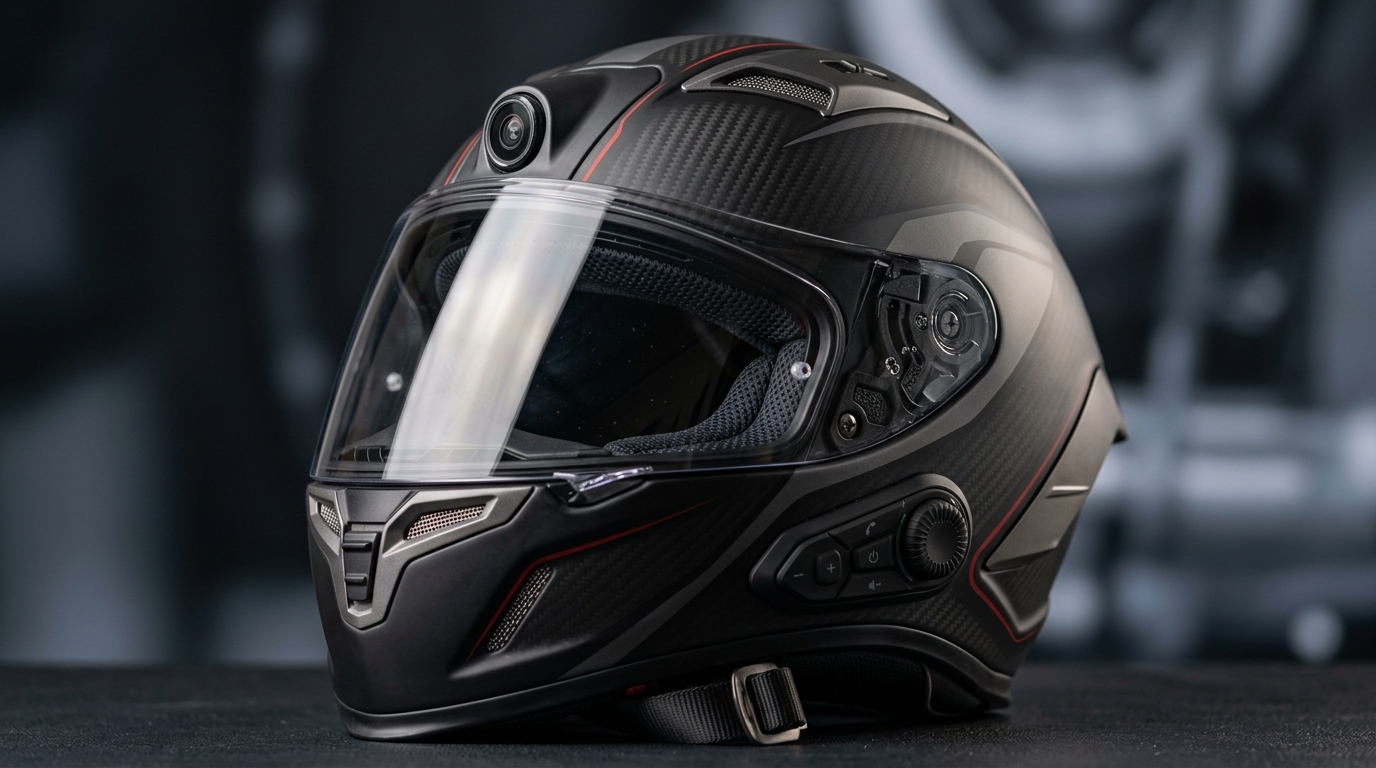
Camera footage can help after a close call or crash. It may show a driver turning across the rider, drifting into the lane, opening a door, tailgating, or running a red light. It may also show that the rider used proper lane position and reacted reasonably.
This topic connects well with Motorcycle Safety Technology in 2026. Cameras, radar, airbags, better lighting, and connected rider aids all point toward the same trend: riders want technology that helps them manage risk without removing the joy of riding.
Battery life is still a real limitation
Smart helmets need power. HUDs, cameras, Bluetooth, speakers, microphones, GPS features, and crash alerts all use battery life. A helmet that works well for a short commute may not last through a full touring day unless the battery system is strong.
Riders should check real-world battery claims before buying. Recording video drains power faster than basic Bluetooth audio. Cold weather can reduce battery performance. Long rides may require charging stops, spare batteries, or a wired charging plan.
What Riders Should Check Before Buying a Smart Helmet
Smart motorcycle helmets can be exciting, but riders should not buy one only because the feature list looks impressive. Start with the same rules that apply to any helmet. It should meet the correct safety standard for your market. It should fit your head shape. It should stay secure. It should feel comfortable enough to wear every ride.
In the United States, riders should look for the DOT symbol on the outside back of the helmet. NHTSA explains that the DOT symbol means the helmet meets Federal Motor Vehicle Safety Standard No. 218. Riders can review the official guidance here: NHTSA motorcycle helmet safety guide.
After safety and fit, riders can compare technology. Ask whether the helmet has a HUD, camera, Bluetooth, mesh intercom, app support, emergency alert, rear light, or integrated speakers. Then ask a tougher question: will you actually use those features?
Smart features should support safety, not replace it
A smart helmet should help the rider stay focused. It should not create more menus, more notifications, or more distractions. The best features are the ones that solve real riding problems. Navigation can help touring riders. Cameras can help commuters. Mesh communication can help groups. Crash alerts can help solo riders. Clear audio can help long-distance riders manage calls or route prompts.
For riders building a complete safety setup, Best Motorcycle Safety Gear for 2025 is a useful internal link. A helmet matters most, but gloves, jacket, pants, boots, armor, visibility, and maintenance habits also affect rider safety.
Weight and comfort can make or break the helmet
Smart hardware can add weight. Extra weight may not seem like a big deal in the shop, but it can matter after an hour on the road. Neck fatigue, pressure points, wind drag, and balance all affect comfort.
Before buying, check the helmet weight, liner quality, ventilation, visor clarity, noise level, and speaker placement. Try it on long enough to feel pressure points. If possible, test it in riding position. A helmet that feels fine standing up may feel different on a sport bike, cruiser, touring bike, or adventure motorcycle.
Software support matters after the purchase
A traditional helmet does not need software updates. A smart helmet does. Riders should check whether the brand updates the app, fixes bugs, supports map systems, improves Bluetooth stability, and provides replacement parts.
This matters because technology can age faster than the helmet shell. A smart helmet should not become frustrating after one riding season because the app stops working or the battery cannot be replaced. Long-term support should be part of the buying decision.
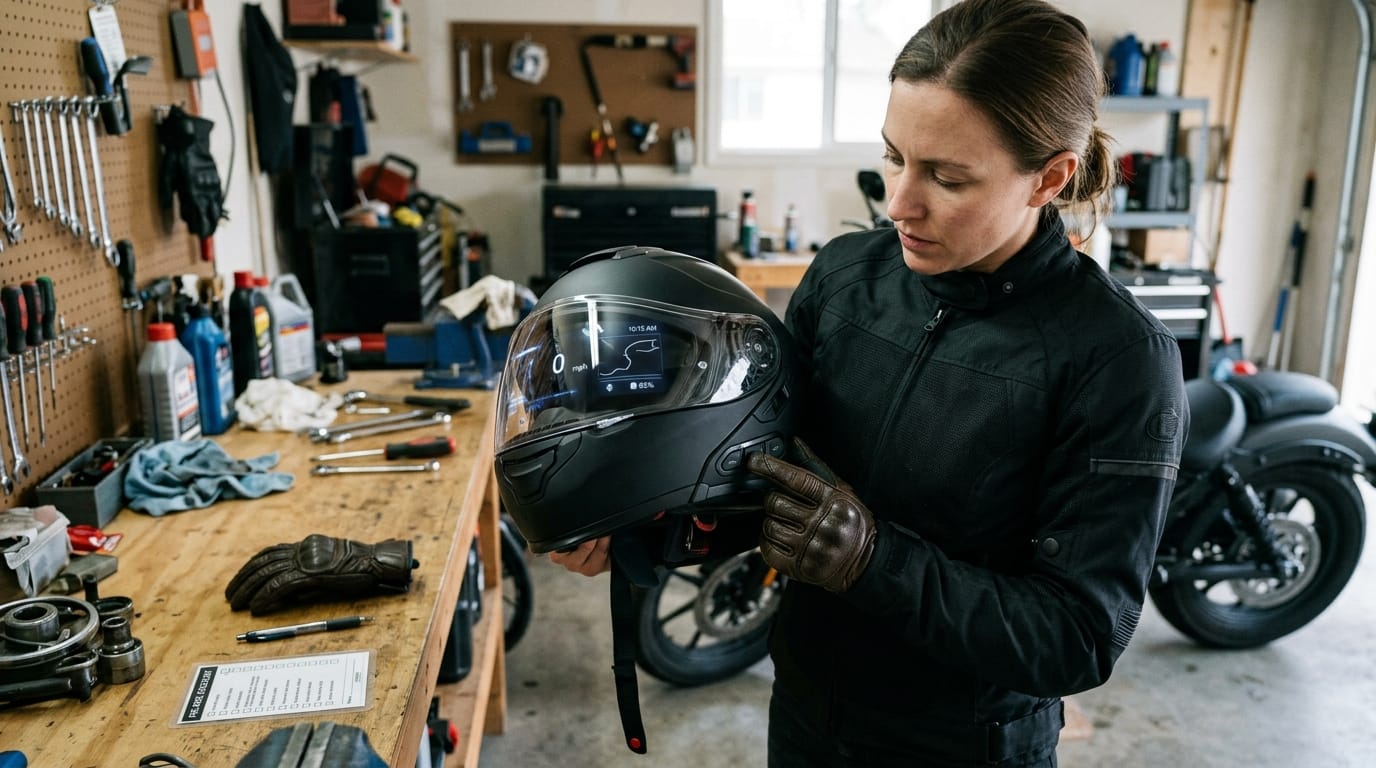
Smart motorcycle helmets in 2026 are no longer just futuristic concept gear. They are becoming practical tools for navigation, recording, communication, and connected safety. The strongest models will not be the ones with the longest feature list. They will be the ones that protect well, fit well, reduce distraction, and make real riding easier.
The smartest buying rule is simple. Choose safety certification first. Choose fit second. Then compare the technology. If a helmet protects your head, feels comfortable, and adds useful information without stealing attention, it deserves serious consideration. If it only looks futuristic but compromises comfort or focus, walk away.
Motorcycle technology will keep moving forward. HUD displays, built-in cameras, crash alerts, Bluetooth, and smart apps may become normal over time. But the best helmet will always be the one that protects the rider when everything goes wrong.