
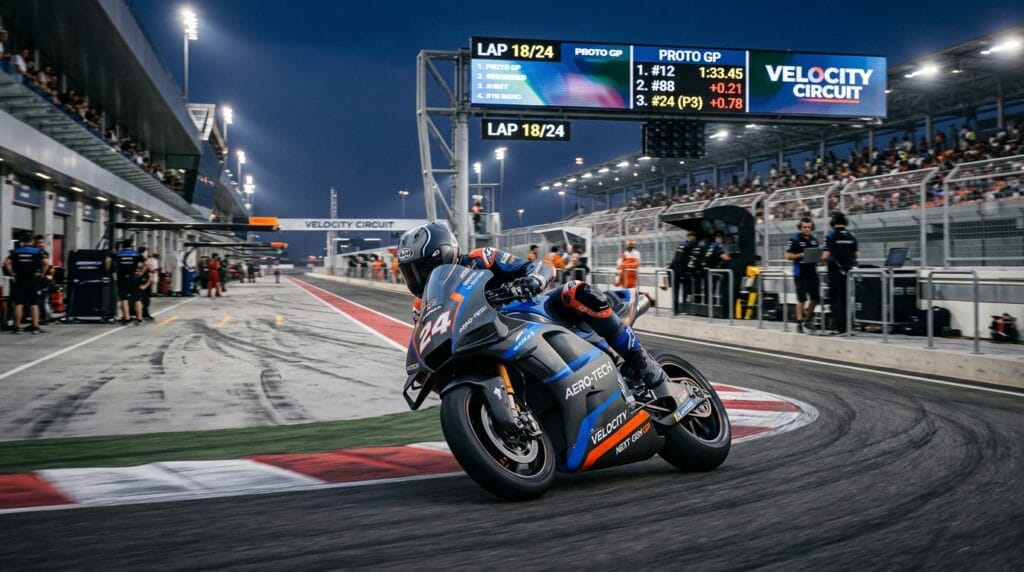
The MotoGP 2027 regulations are not just a future racing update. They are already shaping how manufacturers, engineers, riders, and fans look at the 2026 season. MotoGP is preparing for one of its biggest technical resets in years, and the changes go far beyond engine size.
Starting in 2027, MotoGP will move from 1000cc engines to 850cc engines. The sport will also reduce aerodynamic influence, ban ride-height and holeshot devices, use 100% non-fossil fuel, and enter a new tyre era with Pirelli. For fans, this means the racing could feel different. For teams, it means development priorities are changing right now.
That is why 2026 matters so much. It is not only another season of racing. It is the bridge between the current 1000cc era and the incoming 850cc era. Manufacturers must balance short-term competitiveness with long-term preparation. Riders must adapt to changing development goals. Fans must get ready for a MotoGP that may reward a different mix of skill, engineering, and racecraft.
For Moto News Blog readers, this is a strong trend to watch because it connects racing, technology, rider skill, sustainability, and road-bike relevance. The paddock is not simply changing numbers on a spec sheet. It is preparing for a new identity.
What the MotoGP 2027 Regulations Will Change
The most talked-about change is the engine reduction from 1000cc to 850cc. Smaller capacity should reduce peak performance and help control top speeds. That matters because MotoGP bikes have become extremely fast, while many circuits were not designed for endless speed growth.
MotoGP also plans tighter aerodynamic limits. Aero has become one of the biggest performance battlegrounds in recent seasons. Winglets, fairing shapes, and airflow tricks can improve braking stability and corner exit performance. However, too much aero can also make bikes harder to follow and can increase development costs.
The 2027 rules aim to bring racing back toward rider control. Ride-height and holeshot devices will be banned. These systems helped bikes launch harder and accelerate better, but they also added complexity and cost. Their removal should put more responsibility back into the rider’s hands.
For official background, readers can review MotoGP’s overview of its upcoming rules here: MotoGP 2027 regulations glossary. Reuters also covered the 2027 rules and the goal of making racing safer and more sustainable here: Reuters report on MotoGP 2027 rules.
850cc engines will change the performance conversation
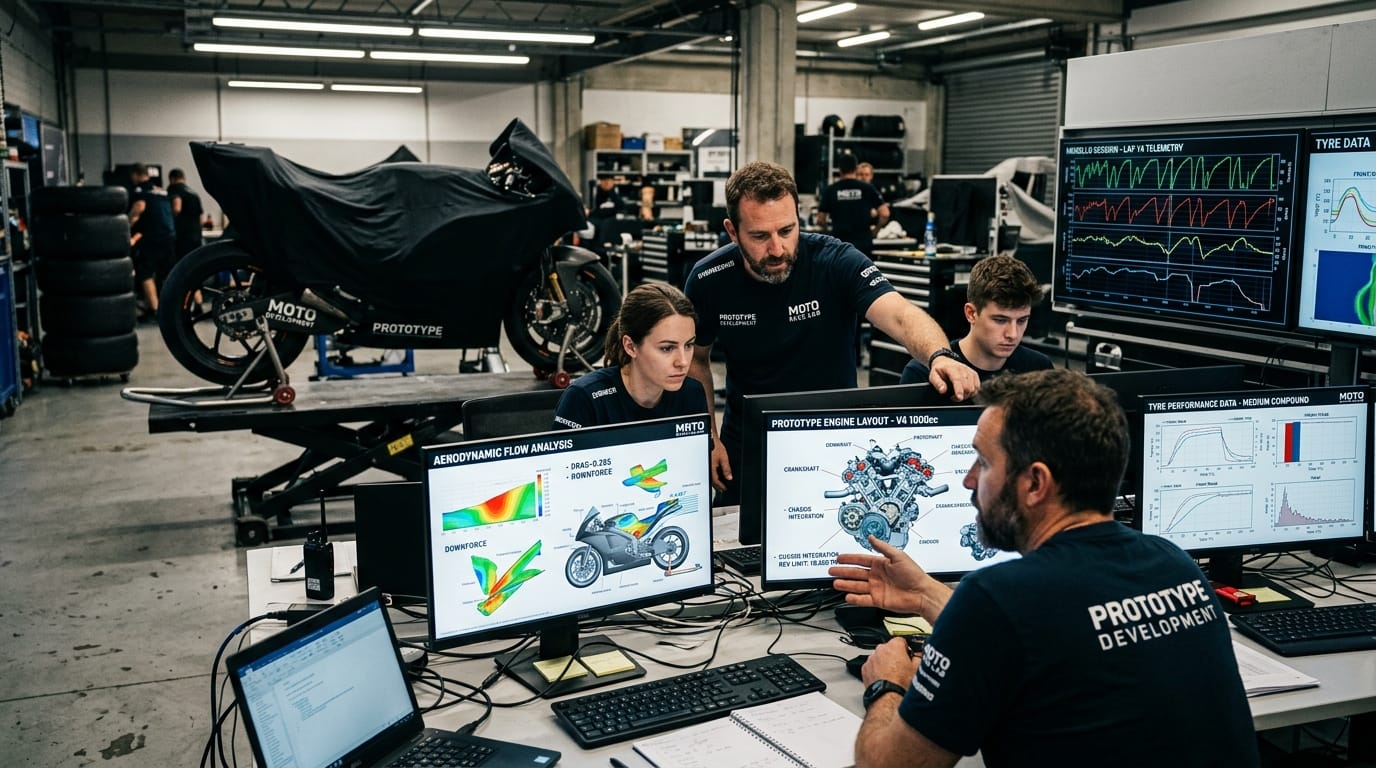
The move to 850cc engines is the headline. It will affect power delivery, acceleration, top speed, fuel use, engine design, and race strategy. Smaller engines do not automatically mean boring racing. In fact, they may create a more balanced show if bikes become easier to follow and riders gain more room to make a difference.
MotoGP has always been about prototype performance. That will not disappear. The best engineers will still chase every advantage. The difference is that 2027 may reset the development race. Teams that mastered the 1000cc formula may not automatically dominate the new 850cc era.
This is why 2026 testing and development stories will matter. Factories are not only thinking about the next race weekend. They are studying how to build the next generation of MotoGP machines.
Why smaller engines do not mean less excitement
Some fans worry that smaller engines will make MotoGP slower and less dramatic. That fear is understandable, but it misses the bigger picture. Racing excitement does not come only from maximum speed. It also comes from close battles, late braking, tire management, overtaking, rider confidence, and unpredictable strategy.
If the 850cc rules reduce extreme straight-line gaps and make bikes easier to race closely, fans could see more action. A slightly lower top speed may be a fair trade if the racing becomes tighter and safer.
Road relevance also matters. Motorcycle buyers are already showing more interest in practical performance instead of pure spec-sheet bragging. Your site’s article on affordable motorcycles in 2026 fits this wider shift. Riders are paying more attention to usable power, smarter design, and real-world value.
The 2026 season becomes a transition year
Because 2027 is such a major reset, 2026 becomes more than a normal championship year. Teams must still win races, but factories also need to prepare for the new technical direction. That creates a different kind of tension.
Manufacturers may become more selective with updates. They may avoid spending too much on outgoing technology. They may also use 2026 to gather rider feedback that can influence 850cc prototypes.
Fans should watch how each factory talks about development. A team’s 2026 choices may reveal its confidence heading into 2027. If a manufacturer looks strong now but quiet behind the scenes, it may be focusing resources on the reset.
Aero limits and ride-height bans put more focus on riders
The MotoGP 2027 regulations are also important because they target technology that has changed the character of modern racing. Aerodynamics and ride-height devices became huge talking points because they affected acceleration, braking, overtaking, and bike behavior.
Aero is not going away completely. MotoGP will still be a high-tech championship. However, the goal is to reduce the negative effects of excessive aero dependence. If riders can follow more closely and overtake more confidently, the show improves.
The ride-height and holeshot device ban may also change how riders manage starts and corner exits. These systems helped control bike attitude during acceleration. Without them, throttle control, body position, setup, and mechanical grip could matter even more.
Less rider-aid dependency could improve racecraft
Modern MotoGP riders are already incredibly skilled. The issue is not that technology replaced talent. The issue is that some systems can narrow overtaking windows and make racecraft feel more dependent on engineering tools.
Removing ride-height and holeshot devices may bring back more visible rider management. Launches, exits, and mistakes could become more natural. That can make races easier for casual fans to understand and more exciting for serious fans to analyze.
This also connects with a bigger motorcycle trend: technology should support the rider, not erase the rider. Your article on motorcycle safety technology in 2026 makes a similar point for street riders. The smartest tools add margin, but skill still matters.
Pirelli tyres add another layer to the reset
The 2027 era also brings a major tyre change. Pirelli will become MotoGP’s tyre supplier, replacing Michelin. That matters because tyres influence everything: braking feel, edge grip, race pace, warm-up behavior, electronics setup, and rider confidence.
A new engine formula plus a new tyre supplier creates a real reset. Teams will need to learn new interaction between chassis, electronics, suspension, aero, and tyre behavior. Riders who adapt quickly could gain an early advantage.
This is one reason 2027 may not simply continue the current competitive order. A new tyre can reward different riding styles. Some riders may feel comfortable immediately. Others may need time to adjust.
Why These Rules Matter Beyond the MotoGP Paddock
MotoGP rule changes often influence the wider motorcycle conversation. Not every racing technology moves directly to the showroom, but racing still shapes design language, engineering goals, marketing, and rider expectations.
The 850cc era could make fans more interested in lighter, sharper, more efficient motorcycles. Riders already show strong interest in middleweight bikes and practical performance. Your article on why middleweight motorcycles are dominating 2026 connects well with this idea.
The sustainability angle also matters. MotoGP’s move toward 100% non-fossil fuel sends a clear signal. The future of performance does not only mean more displacement and more fuel burn. It can also mean smarter engineering.
That does not mean petrol motorcycles are disappearing tomorrow. It means the industry is learning how to balance performance, regulation, efficiency, and fan excitement. Electric motorcycles, hybrid systems, and alternative fuels are all part of that wider conversation.
The new era could influence road-bike thinking
Motorcycle manufacturers use racing to build identity. A successful MotoGP program can shape how riders view a brand. When MotoGP changes direction, brands often adjust how they talk about performance.
In the 2027 era, expect more emphasis on efficiency, control, lighter engineering, rider skill, and smart design. That could eventually influence sportbike development, track-focused models, and even middleweight performance bikes.
This trend also pairs naturally with your article on automatic motorcycles in 2026. Both topics show that motorcycle development is moving beyond old-school horsepower thinking. Riders still want excitement, but they also want smarter technology that improves the experience.
MotoGP’s new rules may also make racing easier to explain to newer fans. Smaller engines, fewer devices, more sustainable fuel, and reduced aero give the sport a clearer story. It becomes less about hidden trick systems and more about riders, teams, and machine balance.
For fans who enjoy racing variety, MotoGP’s broader calendar and new support ideas also matter. Your article on the Harley-Davidson Bagger World Cup 2026 shows how the sport is experimenting with formats that can reach different rider communities.
Fans should watch testing, not only race results
The smartest fans will watch more than podiums in 2026. Testing clues, factory comments, rider contracts, tyre adaptation, and prototype rumors may reveal who is ready for 2027.
Pay attention to riders who can adapt quickly. Also watch manufacturers that balance current performance with long-term development. A factory that looks quiet during one season may be preparing aggressively for the next era.
The MotoGP 2027 regulations are not just technical paperwork. They are the foundation for the next chapter of prototype motorcycle racing. The 850cc engine shift, aero limits, ride-height ban, sustainable fuel, and Pirelli tyre change could reshape how the sport looks and feels.
Final takeaway: 2026 is the season before the reset, but the reset has already started. Riders, teams, manufacturers, and fans are all entering a transition period. MotoGP will still be fast, loud, technical, and intense. The difference is that the next era may reward smarter engineering, cleaner racing, and more visible rider skill.