
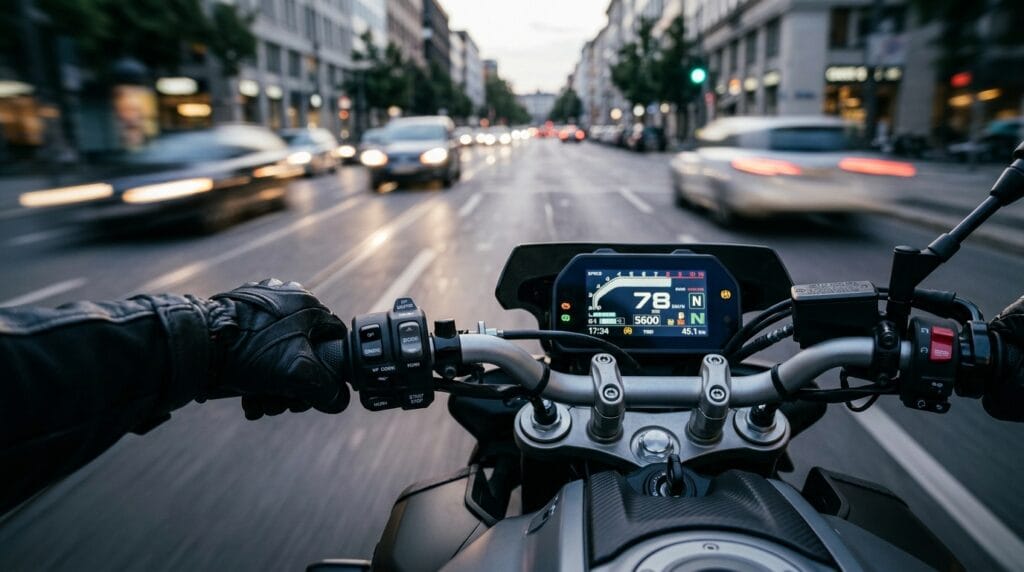
Clutchless motorcycles 2026 are becoming one of the most interesting motorcycle technology trends because they challenge an old idea: that every serious motorcycle must use a traditional clutch lever and foot shifter. For decades, learning clutch control was part of becoming a rider. You learned how to pull away smoothly, avoid stalling, balance throttle input, and time every shift. That skill still matters, but new systems are changing how riders think about control, comfort, and accessibility.
Honda E-Clutch, Yamaha Y-AMT, KTM AMT, and other semi-automatic motorcycle systems are not all the same. Some automate only clutch control. Some remove the clutch lever and foot shifter. Some allow automatic riding in traffic while still giving the rider manual-style control when the road gets exciting. The common theme is simple: motorcycle brands are trying to reduce fatigue, attract newer riders, and make performance easier to access.
This trend fits naturally with the wider direction of the motorcycle market. Riders still want emotion, sound, control, and connection. But they also want convenience, smarter technology, and a bike that works in real-world traffic. That is why clutchless motorcycles 2026 deserve attention from beginners, commuters, touring riders, and experienced riders who once thought automatic shifting was only for scooters.
On Moto News Blog, this topic connects well with your existing coverage of motorcycle safety technology in 2026, motorcycle prices in 2026, 400cc adventure bikes, and affordable electric motorcycles.
Why Clutchless Motorcycles Are Trending in 2026
Clutchless motorcycles are trending because they solve problems riders actually feel. City traffic can make clutch work tiring. New riders often struggle with stalling. Shorter riders may already be managing seat height, bike weight, and slow-speed confidence, so removing one difficult task can help. Long-distance riders may also appreciate smoother starts, cleaner shifts, and less hand fatigue in stop-and-go conditions.
This is not about making motorcycles boring. The best clutchless systems are trying to keep the mechanical feel of a motorcycle while reducing the annoying parts. That is different from a basic scooter-style automatic transmission. Many of these systems still use a real gearbox. The difference is that electronics, actuators, and control units help manage clutch operation or gear changes.
That makes the technology easier for riders to accept. A rider can still enjoy throttle response, engine braking, corner entry, and gear choice. The machine simply removes some of the workload when the rider wants help.
Honda E-Clutch Makes Manual Bikes Easier to Ride
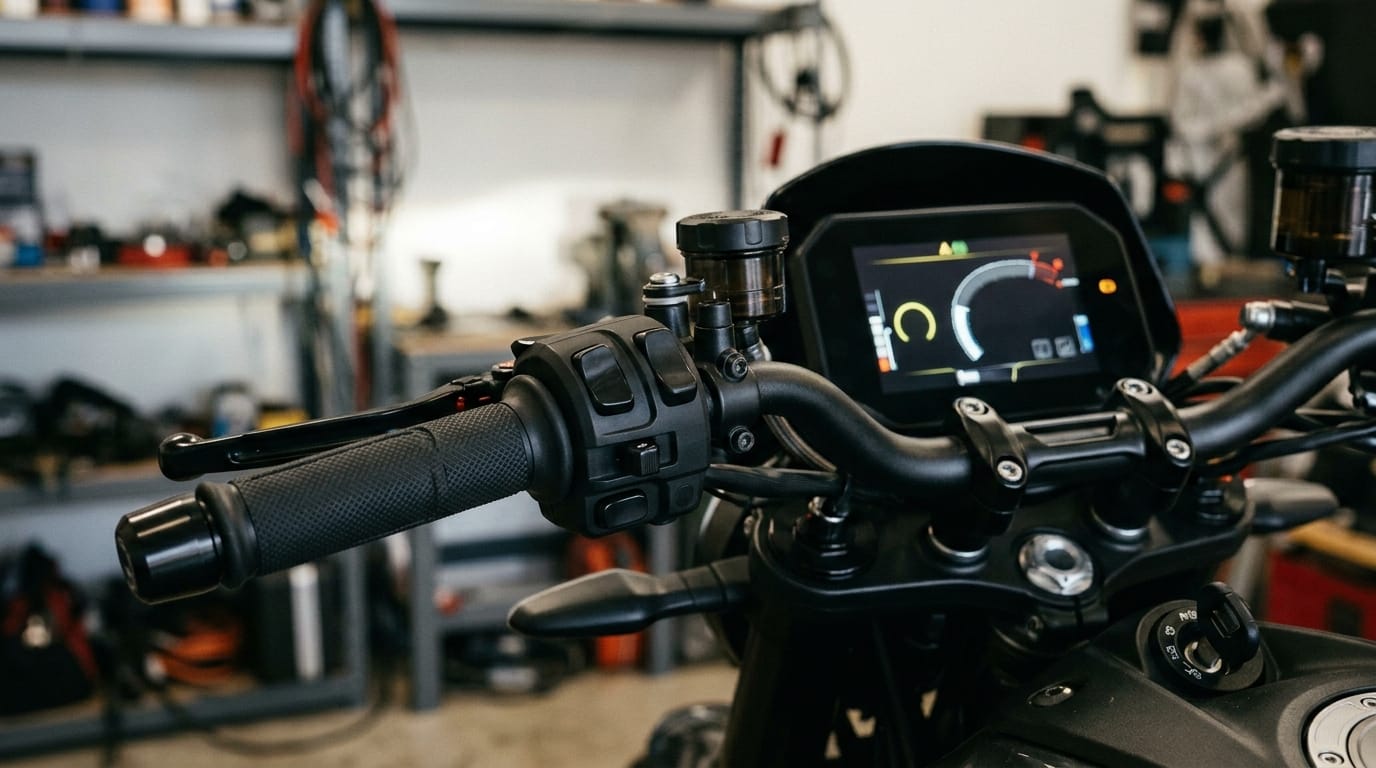
Honda E-Clutch is one of the clearest examples of this trend. The system automates clutch control, which means the rider can start, stop, and shift without constantly using the clutch lever. The motorcycle still feels familiar because gear selection remains part of the riding experience. In simple terms, it lowers the stress of clutch control without turning the bike into a basic automatic.
That matters for newer riders. Stalling in traffic is one of the most frustrating beginner problems. It can create stress at intersections, hills, and tight U-turns. A system that reduces stalling can help riders focus on balance, vision, braking, and traffic awareness. Experienced riders may also like it because smooth shifting becomes easier during everyday riding.
Beginner Riders Get a Lower Learning Curve
The biggest benefit for beginners is confidence. Many new riders do not quit because motorcycles are slow or boring. They quit because the early learning stage feels stressful. Clutch timing, throttle control, braking, lane position, traffic pressure, and bike weight all arrive at once. Clutchless motorcycles 2026 can reduce that pressure.
That does not mean training becomes unnecessary. Riders still need to learn braking, cornering, hazard awareness, road positioning, emergency stops, and protective gear. But if clutch automation removes one major barrier, more people may feel comfortable entering the motorcycle world. That is good for the industry because attracting new riders has become a serious challenge.
Experienced Riders Still Want Control
Some experienced riders worry that clutchless systems remove skill. That concern is understandable, but the best systems are not trying to erase rider involvement. They are giving riders options. A commuter may want easier traffic riding Monday to Friday, then sharper manual-style control on weekend roads. A touring rider may want comfort during long city exits, then direct control on mountain passes.
This is where clutchless systems become interesting. They do not have to replace traditional riding. They can sit beside it. For some riders, a normal clutch will always feel best. For others, electronic clutch control or automated shifting may be the feature that makes a motorcycle easier to live with every day.
Y-AMT and AMT Push the Idea Further
Yamaha Y-AMT and KTM AMT push the idea beyond simple clutch assistance. These systems are designed to offer finger-operated shifting, automatic modes, or clutchless manual control depending on the bike and setup. The key difference is choice. Riders can relax in traffic or become more involved when they want more connection.
This kind of technology matters because motorcycles are used in different ways. One rider may commute through city traffic. Another may tour for hours. Another may ride twisty roads every weekend. A flexible transmission system can adapt to those situations without forcing every rider into one style.
For an official explanation of clutch automation, readers can review Honda’s E-Clutch technology page here: Honda E-Clutch Technology.
Traffic Riding Is Where the Benefit Feels Biggest
In heavy traffic, clutchless systems make the most sense. Constant stop-and-go riding can become tiring, especially on heavier motorcycles or bikes with aggressive clutch feel. A system that manages clutch operation can make the ride smoother and less tiring. It can also reduce the chance of awkward stalls during slow movement.
That benefit may be especially useful in crowded urban areas where motorcycles are used daily. Riders who split time between commuting and weekend fun want a bike that can do both. If automatic or clutchless technology helps a motorcycle feel easier in the city without ruining the weekend experience, the feature becomes more than a gimmick.
What Riders Should Consider Before Buying One
Clutchless motorcycles 2026 are exciting, but riders should still think carefully before buying. The first question is simple: what type of riding do you do most? A daily commuter may benefit more from clutch automation than a rider who mostly enjoys short weekend rides. A beginner may value stall prevention more than a veteran rider who loves traditional clutch feel. A touring rider may appreciate smoothness and reduced fatigue.
Cost also matters. New technology can increase price, insurance, repair complexity, and service requirements. A rider should ask how the system works, what warranty covers it, whether local dealers can service it, and how it behaves if something goes wrong. A smart buyer does not only ask whether the feature is cool. They ask whether the feature makes the whole motorcycle better for their use.
The Future Is Choice, Not One Perfect Transmission
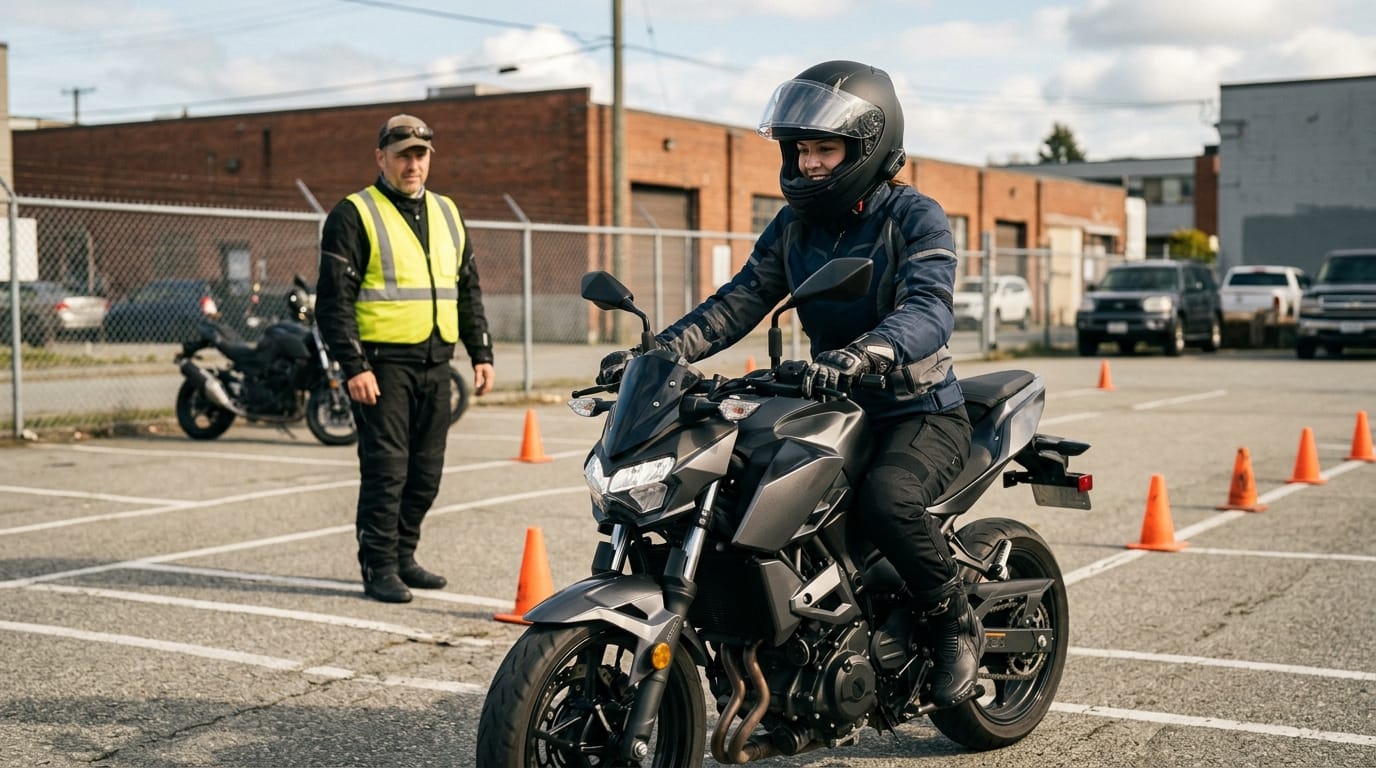
The most realistic future is not a world where every motorcycle becomes automatic. Traditional manual bikes will stay popular because many riders love the connection. But the market is clearly making room for more options. That is the important shift. Riders can choose full manual, quickshifter-equipped manual, electronic clutch assistance, automated manual, dual-clutch systems, or electric motorcycles with no conventional gearbox at all.
This wider choice is good for riders. It means motorcycles can serve more people without losing their soul. Some buyers want simplicity. Some want tradition. Some want performance. Some want comfort. In 2026, motorcycle brands are finally admitting that one transmission style does not fit every rider.
Clutchless Tech Could Help the Industry Grow
The motorcycle industry needs new riders, and clutchless systems can help. They make the first step less intimidating without forcing everyone onto a scooter. They can also keep older riders comfortable for longer, especially those dealing with hand fatigue or heavy traffic. At the same time, performance riders may discover that electronic shifting can be faster, smoother, and more consistent than expected.
Clutchless motorcycles 2026 are not just a convenience trend. They are part of a bigger change in how brands design motorcycles for real-world use. Riders want bikes that are fun, practical, easier to own, and easier to justify. If E-Clutch, Y-AMT, AMT, and similar systems deliver that without removing the feeling of riding, they will become a serious part of the future.
The bottom line is simple: clutchless does not mean soulless. Done properly, it means more riders, more confidence, and more ways to enjoy motorcycles.