
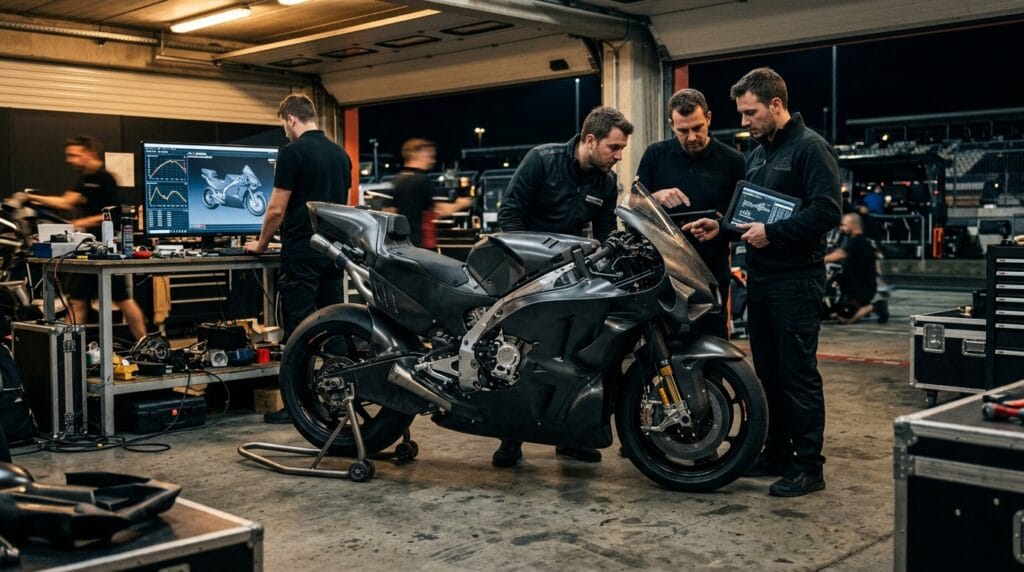
MotoGP 2027 rules are already one of the biggest racing stories in 2026 because teams, riders, manufacturers, and fans are preparing for a major reset. Even though the new era officially begins in 2027, the work is happening now. Factories are planning engines, testing concepts, studying tyre behavior, and rethinking how their bikes will create lap time when the current formula changes.
For fans, this is more than a technical rulebook update. MotoGP is moving toward smaller engines, reduced aerodynamics, a ban on ride-height devices, and a new tyre supplier. That combination can change racing style, bike design, overtaking, rider skill, and even how street-bike technology is discussed. When a sport changes this much at once, the season before the reset becomes a story of strategy.
The MotoGP 2027 rules matter in 2026 because every manufacturer wants to enter the new cycle prepared. A good 2026 campaign still matters, but the smartest factories must also think beyond the current championship. They need to protect today’s results while building tomorrow’s bike. That tension is exactly what makes this topic so interesting.
This article fits naturally with Moto News Blog’s existing racing and technology coverage, especially Harley-Davidson Bagger World Cup 2026, motorcycle safety technology in 2026, motorcycle prices in 2026, and solid-state battery motorcycles.
What Is Changing Under the MotoGP 2027 Rules?
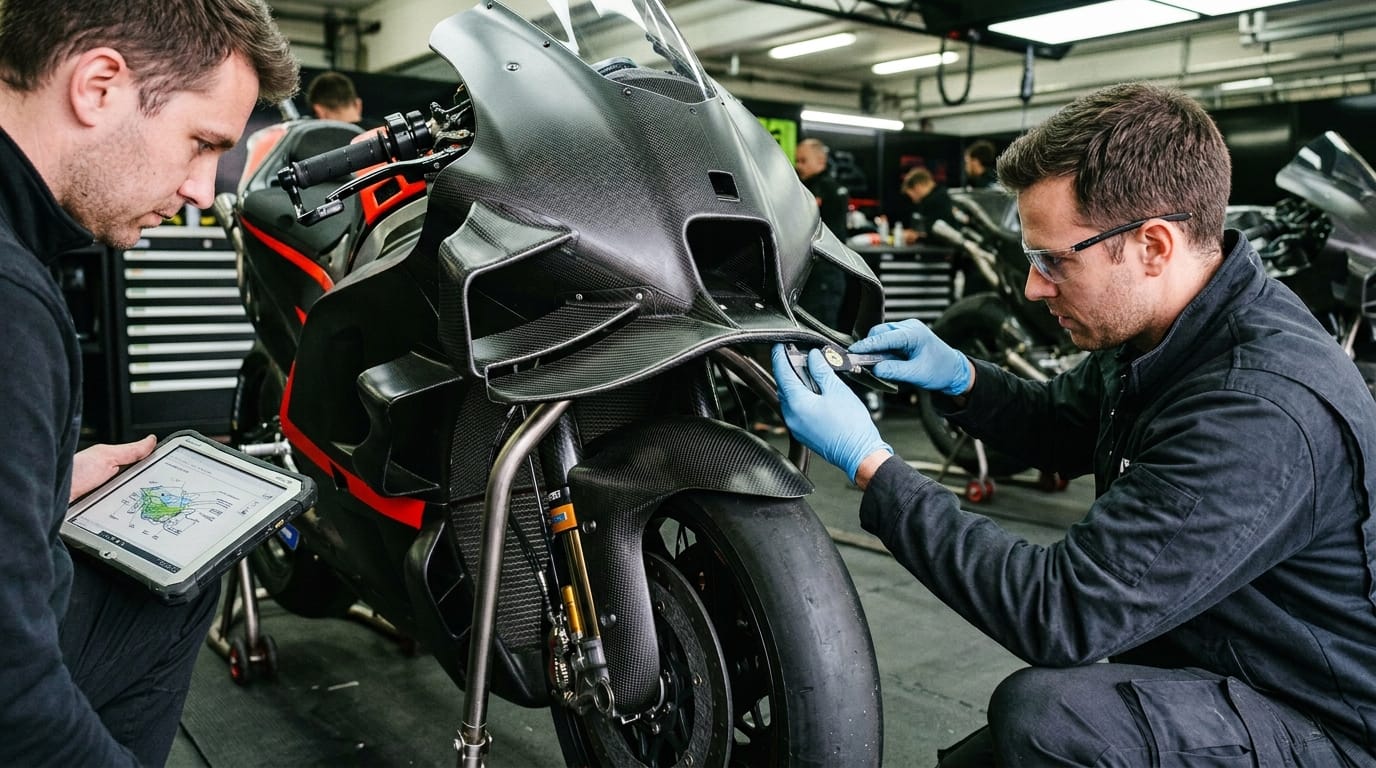
The headline change is engine size. MotoGP is moving away from the current 1000cc era and into an 850cc formula. Smaller engines should reduce outright speed while keeping prototype racing fast and exciting. That matters because modern MotoGP bikes are incredibly powerful, aerodynamic, and complex. The goal is not to make racing slow. The goal is to keep it spectacular while improving safety and making the bikes more relevant for the future.
Another major change is the reduction of aerodynamics. Aero has become one of the defining features of modern MotoGP. Winglets, ducts, fairing shapes, and airflow tricks help bikes accelerate, brake, and stay planted. But too much aero can also affect following distance, overtaking, turbulence, and racing style. Reducing aero should place more emphasis back on rider feel, mechanical grip, and racecraft.
The ban on ride-height and holeshot devices is another key part of the reset. These devices helped bikes launch harder and accelerate better by changing ride height. They were impressive engineering solutions, but they also added complexity and cost. Removing them could make starts and corner exits more dependent on rider control and chassis setup.
Smaller 850cc Engines Could Change Riding Style
The move to 850cc engines may change how riders attack a lap. With less displacement, teams may need to rethink power delivery, gearing, corner speed, and fuel strategy. A bike that cannot rely on the same peak power may need to carry more speed through corners or use traction more efficiently on exit.
That could make rider style more visible again. Some riders are brilliant at carrying corner speed. Others are stronger in braking zones. Some rely on acceleration and rear grip. When the technical formula changes, the balance of strengths can shift. A rider who looks dominant under one rule set may face new pressure under another.
Engine Character May Matter More Than Peak Power
Peak horsepower makes headlines, but engine character wins races. Under the MotoGP 2027 rules, teams may focus heavily on how smoothly the engine delivers torque, how manageable it feels at lean angle, and how well it works with electronics. A smaller engine still needs to be fast, but it also needs to be usable.
This is where prototype racing stays fascinating. The best bike is not always the one with the biggest number. It is the one that lets the rider brake late, turn confidently, accelerate early, preserve tyres, and repeat that pace for race distance.
Aero Limits Could Improve Following and Overtaking
Reduced aerodynamics could help racing if it makes it easier for riders to follow closely. Modern aero can create wake effects that disturb the bike behind. If the new rules reduce that problem, fans may see more direct battles, more passing attempts, and less reliance on perfect qualifying position.
That does not mean aero disappears. MotoGP engineers will still search for every legal advantage. But stricter limits may stop aero from dominating the conversation. In a racing series built around the world’s best riders, that could be a good thing.
The Pirelli Tyre Switch Adds Another Layer
The MotoGP 2027 rules become even more interesting because Pirelli is set to become the official tyre supplier from 2027. Tyres are not a small detail. They shape how bikes brake, turn, accelerate, and manage race distance. A new tyre supplier can change setup direction, rider confidence, and the balance between manufacturers.
When tyres change, everything around them changes too. Chassis stiffness, suspension settings, electronics, weight transfer, braking behavior, and corner-entry strategy may all need adjustment. A bike that works well on one tyre construction may not behave the same way on another.
For an official racing reference, readers can review MotoGP’s rules overview here: MotoGP rules overview.
Tyre Feel Can Decide Rider Confidence
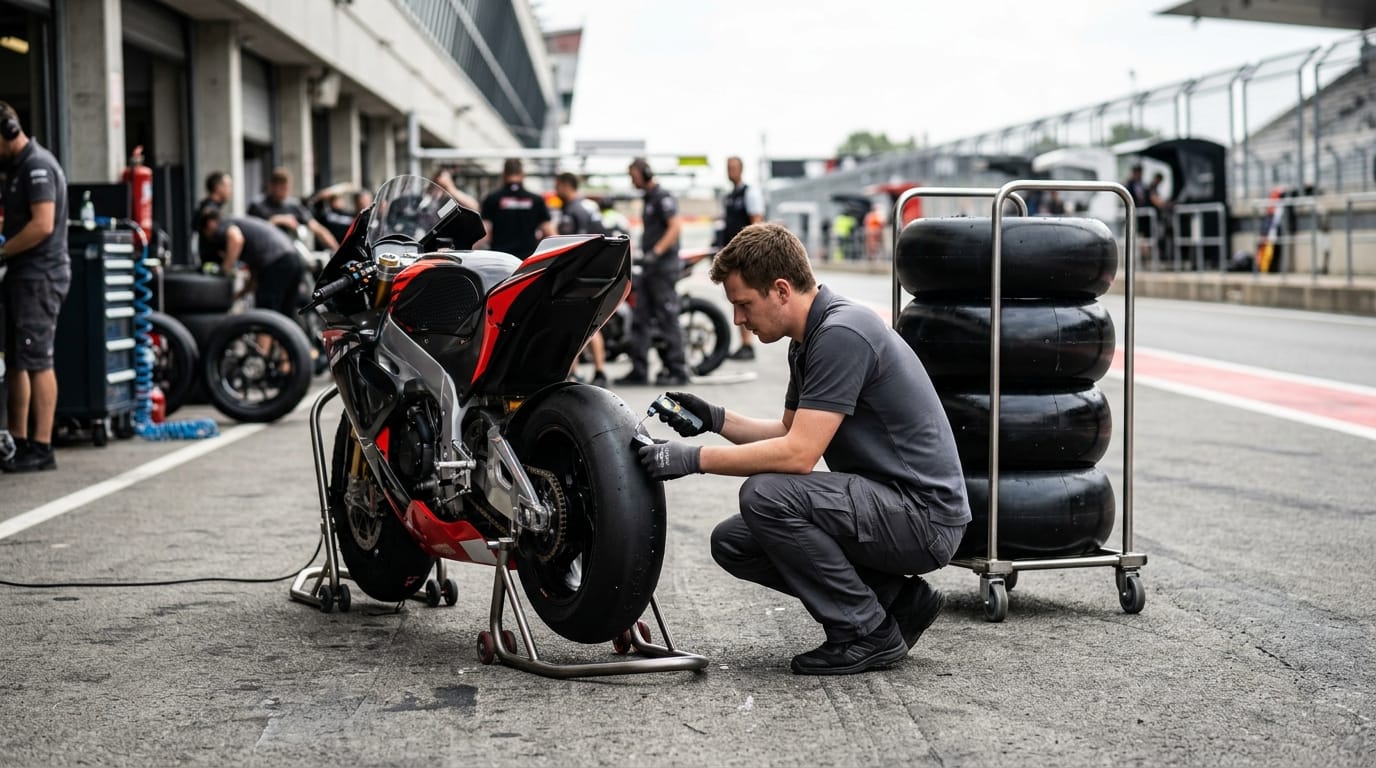
Riders often talk about front-end feel because it affects confidence on corner entry. If a rider trusts the front tyre, they can brake later, release the brake smoothly, and commit to lean angle. If they do not trust it, they hesitate. That hesitation costs lap time.
A tyre supplier change can therefore affect more than technical setup. It can affect rider psychology. Some riders may adapt quickly. Others may need time. Manufacturers with strong testing programs may gain an early advantage because they can understand the new tyres faster.
Why the 2026 Season Becomes a Strategic Year
In 2026, MotoGP teams are not only racing the current bikes. They are preparing for a future that could reshuffle the grid. That makes development strategy difficult. Should a team keep improving the current package, or shift more resources to the 2027 project? Should a manufacturer chase short-term results, or accept some limits now to build a better next-generation machine?
Fans should watch how teams talk about upgrades, testing, and development direction. Public comments may sound cautious, but the hidden race is already underway. Factories want to understand the new engine concept, new aero limits, new tyre behavior, and the absence of ride-height devices before the first 2027 race arrives.
This is where MotoGP becomes more than weekend entertainment. It becomes a high-speed engineering chess match. The smartest teams are not only reacting to lap times. They are preparing for a rule change that could define several seasons.
What Fans Should Watch Before the New Era Begins
Fans should watch several signals in 2026. First, listen to how riders discuss handling, corner speed, and tyre feel. Those comments may hint at what manufacturers are prioritizing for the next cycle. Second, watch which teams improve mechanical grip and braking stability. Those areas may become more important when aero and ride-height tools are reduced.
Third, pay attention to manufacturers that seem quiet but consistent. Sometimes the team making the least noise is the one building carefully in the background. Finally, watch testing news. Any information about prototype direction, engine sound, tyre testing, or rider feedback can reveal how the 2027 picture is forming.
The MotoGP 2027 rules are not only about smaller engines or different tyres. They represent a shift in racing philosophy. The sport wants to stay fast, spectacular, and technologically advanced, but it also wants closer racing, safer speeds, and a clearer path into the future.
The Reset Could Create New Winners
Big rule changes can create opportunity. A manufacturer that struggled under one formula may find a better path under another. A rider who was limited by current bike behavior may shine when engine character, aero balance, and tyre feel change. That is why fans should not assume the current order will stay the same.
The 2027 reset could reward adaptability. It could reward riders with clean technique, teams with strong development discipline, and factories that understand the new tyre quickly. It may also punish brands that rely too heavily on current strengths that no longer matter as much.
That is what makes this topic so exciting in 2026. The future has not arrived yet, but the signs are already visible. MotoGP is heading into a new technical era, and every decision now can shape who wins later.
The bottom line is clear: the MotoGP 2027 rules are not just future news. They are already influencing the present. Fans who understand the coming changes will watch 2026 with sharper eyes, because every upgrade, test, tyre comment, and rider reaction may be part of the bigger story.